The Nordic Aesthetic
Scandinavian interior design emerged in the 1950s as a distinct aesthetic characterized by simplicity, functionality, and warmth. It was a response to the long, dark winters of northern Europe, where homes needed to be bright, cozy, and efficient.
The style was shaped by social democratic values. Good design, the Scandinavians believed, should be accessible to everyone, not just the wealthy. IKEA's democratic design philosophy is the most famous expression of this principle, but it runs through all Nordic design.
The concept of hygge (pronounced hoo-ga), a Danish word meaning cozy, comfortable, and convivial, is central to Scandinavian interiors. Hygge is about creating a warm atmosphere, enjoying the simple pleasures of life, and feeling safe and content.
Key Design Elements
Light is the most important element. Scandinavian interiors maximize natural light with large windows, sheer curtains, and mirrors. Artificial lighting is warm and layered, with multiple light sources creating pools of soft illumination. Candles are essential for hygge.
The color palette is light and neutral: white walls, pale wood floors, and soft gray or beige textiles. Color is used sparingly as accent, often in the form of pillows, throws, or artwork. The overall effect is bright, airy, and calm.
Natural materials dominate. Wood is used extensively, particularly pale woods like birch, pine, and ash. Wool, linen, cotton, leather, and sheepskin add warmth and texture. The materials are chosen for their tactile quality and their ability to age gracefully.
Furniture & Function
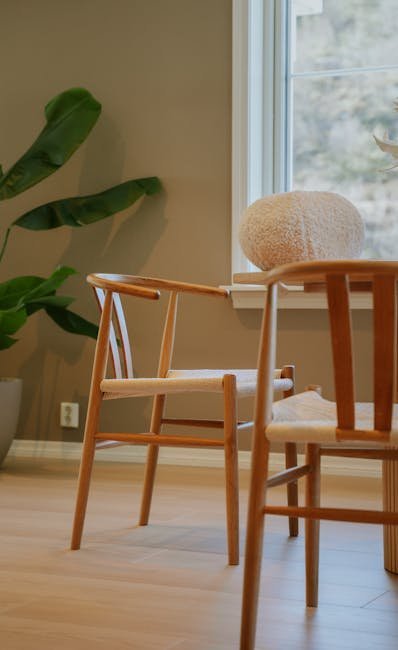
Scandinavian furniture is celebrated for its clean lines, quality craftsmanship, and functional design. Danish designers like Hans Wegner, Arne Jacobsen, and Finn Juhl created iconic chairs and tables that remain in production today. Swedish design tends toward lighter, simpler forms.
Functionality is paramount. Every piece of furniture serves a purpose, and form follows function. A coffee table may have storage underneath. A sofa may convert to a bed. The beauty of Scandinavian furniture is inseparable from its utility.
Scandinavian interiors avoid clutter. Surfaces are kept clear, and storage is integrated into furniture. The goal is not minimalism but order: everything has its place, and the home is easy to maintain.
Creating Hygge at Home
Hygge is about feeling, not looking. It is the warm glow of a candle, the softness of a wool blanket, the comfort of a cup of tea in a favorite chair. Creating hygge is about engaging the senses: soft lighting, pleasant scents, comfortable textures.
The social dimension of hygge is important. Scandinavian homes are designed for gathering, with comfortable seating arranged for conversation. The kitchen island, the dining table, and the seating area around the fireplace are all places for connection.
Hygge changes with the seasons. In winter, it is about coziness and warmth. In summer, it is about open windows, fresh air, and eating outdoors. The Scandinavian interior adapts to the rhythm of the year, celebrating each season's particular pleasures.
"Hygge is about creating a warm atmosphere and enjoying the good things in life with good people. It is the art of creating intimacy and connection."
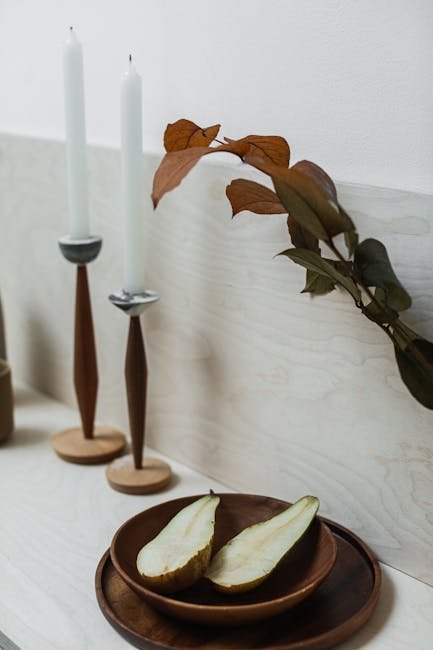
Scandinavian interior design has proven remarkably adaptable to contemporary living, evolving from its mid-century origins into a globally influential aesthetic that combines beauty with everyday functionality. The style's emphasis on natural light, sustainable materials, and uncluttered spaces resonates strongly with modern environmental consciousness. Today's Scandinavian interiors may incorporate bolder colors and more diverse textures than their strictly modernist predecessors, but the core principles of quality craftsmanship, democratic design, and the celebration of simple pleasures remain unchanged. In a world of increasing complexity, the Scandinavian promise of a calm, beautiful, and functional home continues to appeal across cultures and continents.
Key Elements of Scandinavian Style
Scandinavian design emerged from the Nordic countries in the mid-20th century and is rooted in the concept of hygge, a Danish term encompassing coziness, contentment, and well-being. The style combines functional simplicity with warmth, creating interiors that are practical yet inviting. Unlike minimalism, which can feel austere, Scandinavian design prioritizes comfort and human scale, making it one of the most livable design aesthetics.
The color palette is light and airy, dominated by whites, pale grays, and soft pastels. White walls are standard, providing a bright canvas that maximizes limited northern light. Pops of color come from accessories and textiles in muted tones of blush pink, sage green, powder blue, and warm mustard. These colors are never harsh or saturated, maintaining the overall sense of calm and serenity that defines the style.
Natural light is treasured in Scandinavian design, and windows are treated minimally to maximize daylight. Sheer curtains, if used at all, are white and lightweight. Mirrors are strategically placed to reflect light deeper into rooms. During the dark winter months, lighting becomes crucial, with multiple light sources at different heights creating warm pools of illumination. Floor lamps, table lamps, candles, and pendant lights work together to create layered, ambient lighting.
Wood is the fundamental material in Scandinavian interiors, typically in pale species like pine, birch, and ash. Light wood floors are nearly universal, providing a warm, neutral foundation. Furniture combines natural wood with clean, organic forms. Design icons like the Danish modern chairs by Hans Wegner and Arne Jacobsen demonstrate the Scandinavian commitment to craftsmanship, where every joint and curve serves both structural and aesthetic purposes. Textiles add warmth through wool throws, sheepskin rugs, and linen curtains in neutral tones.
Key Elements of Scandinavian Style
Scandinavian design emerged from the Nordic countries in the mid-20th century and is rooted in the concept of hygge, a Danish term encompassing coziness, contentment, and well-being. The style combines functional simplicity with warmth, creating interiors that are practical yet inviting. Unlike minimalism, which can feel austere, Scandinavian design prioritizes comfort and human scale, making it one of the most livable design aesthetics.
The color palette is light and airy, dominated by whites, pale grays, and soft pastels. White walls are standard, providing a bright canvas that maximizes limited northern light. Pops of color come from accessories and textiles in muted tones of blush pink, sage green, powder blue, and warm mustard. These colors are never harsh or saturated, maintaining the overall sense of calm and serenity that defines the style.
Natural light is treasured in Scandinavian design, and windows are treated minimally to maximize daylight. Sheer curtains, if used at all, are white and lightweight. Mirrors are strategically placed to reflect light deeper into rooms. During the dark winter months, lighting becomes crucial, with multiple light sources at different heights creating warm pools of illumination. Floor lamps, table lamps, candles, and pendant lights work together to create layered, ambient lighting.
Wood is the fundamental material in Scandinavian interiors, typically in pale species like pine, birch, and ash. Light wood floors are nearly universal, providing a warm, neutral foundation. Furniture combines natural wood with clean, organic forms. Design icons like the Danish modern chairs by Hans Wegner and Arne Jacobsen demonstrate the Scandinavian commitment to craftsmanship, where every joint and curve serves both structural and aesthetic purposes. Textiles add warmth through wool throws, sheepskin rugs, and linen curtains in neutral tones.
Scandinavian interiors embrace the concept of lagom, meaning not too little and not too much, just the right amount. This principle guides every design decision, from the number of decorative objects on a shelf to the spacing of furniture in a room. The result is spaces that feel neither sparse nor cluttered, but perfectly balanced. This sense of equilibrium contributes to the calm, restorative atmosphere that makes Scandinavian design so enduringly popular.
Textiles are essential to Scandinavian comfort, adding warmth and softness during long, cold winters. Wool blankets in neutral and muted tones drape over sofas and chairs. Sheepskin rugs provide softness underfoot on wood floors. Cushions in wool, velvet, and cotton add layers of comfort. The textiles are not merely decorative but functional, inviting inhabitants to wrap up and stay warm. Seasonal changes are marked by swapping lighter linens in summer for heavier wools in winter, keeping the home responsive to the natural environment.
Scandinavian kitchens are bright and functional, with white cabinetry, light wood countertops, and open shelving that keeps everyday items accessible. The layout prioritizes efficiency without sacrificing aesthetics. Handmade ceramic pieces, simple glassware, and wooden utensils displayed on counters add warmth and personality. The kitchen is designed for both daily use and entertaining, with generous counter space and seating that encourages gathering. Plants on windowsills and countertops bring life to the clean lines, softening the functional space with organic forms.
Key Elements of Scandinavian Style
Scandinavian design emerged from the Nordic countries in the mid-20th century and is rooted in the concept of hygge, a Danish term encompassing coziness, contentment, and well-being. The style combines functional simplicity with warmth, creating interiors that are practical yet inviting. Unlike minimalism, which can feel austere, Scandinavian design prioritizes comfort and human scale, making it one of the most livable design aesthetics.
The color palette is light and airy, dominated by whites, pale grays, and soft pastels. White walls are standard, providing a bright canvas that maximizes limited northern light. Pops of color come from accessories and textiles in muted tones of blush pink, sage green, powder blue, and warm mustard. These colors are never harsh or saturated, maintaining the overall sense of calm.
Natural light is treasured in Scandinavian design, and windows are treated minimally to maximize daylight. Sheer curtains, if used at all, are white and lightweight. Mirrors are strategically placed to reflect light deeper into rooms. During dark winter months, lighting becomes crucial, with multiple light sources at different heights creating warm pools of illumination. Floor lamps, table lamps, candles, and pendant lights work together to create layered, ambient lighting.
Wood is the fundamental material, typically in pale species like pine, birch, and ash. Light wood floors are nearly universal, providing a warm, neutral foundation. Furniture combines natural wood with clean, organic forms. Design icons like the Danish modern chairs by Hans Wegner and Arne Jacobsen demonstrate the Scandinavian commitment to craftsmanship, where every joint and curve serves both structural and aesthetic purposes.
Scandinavian interiors embrace lagom, meaning not too little and not too much, just the right amount. This principle guides every design decision, from the number of decorative objects on a shelf to the spacing of furniture in a room. The result is spaces that feel neither sparse nor cluttered, but perfectly balanced, contributing to the calm atmosphere that makes Scandinavian design enduringly popular.
Textiles are essential to Scandinavian comfort, adding warmth during long, cold winters. Wool blankets in neutral tones drape over sofas and chairs. Sheepskin rugs provide softness underfoot on wood floors. Cushions in wool, velvet, and cotton add layers of comfort. The textiles are not merely decorative but functional, inviting inhabitants to wrap up and stay warm during cold months.