The Mid-Century Moment
Mid-century modern design, roughly spanning 1945 to 1965, is one of the most popular and enduring interior styles. It emerged from the optimism and prosperity of the post-war era, combining new materials and manufacturing techniques with organic forms inspired by nature.
The style was shaped by a generation of extraordinary designers: Charles and Ray Eames, Eero Saarinen, George Nelson, Hans Wegner, Arne Jacobsen, and Harry Bertoia, among others. Their furniture designs remain in production and have become modern classics.
Mid-century modern interiors are characterized by clean lines, organic curves, a mix of natural and man-made materials, and bold use of color. The look is simultaneously retro and timeless, equally at home in a period-authentic house or a contemporary apartment.
Furniture Icons
The Eames Lounge Chair and Ottoman (1956) is perhaps the most famous mid-century furniture design. Combining molded plywood, leather, and aluminum, it represents the perfect synthesis of comfort, craftsmanship, and modern manufacturing.
Eero Saarinen's Tulip Chair (1956) eliminated the traditional four legs in favor of a single pedestal base, creating a sculptural form that was both innovative and elegant. The chair's organic silhouette is the essence of mid-century design.
George Nelson's Marshmallow Sofa (1956) and Ball Clock (1947) show the playful side of mid-century design. Harry Bertoia's wire chairs (1952) are sculptures to sit in. Arne Jacobsen's Egg Chair (1958) and Swan Chair (1958) are icons of Danish mid-century design.
Materials & Colors
Wood is central to mid-century design, particularly teak, rosewood, walnut, and birch. These woods are used for furniture, paneling, and accessories, often left with a natural or lightly oiled finish that highlights the grain.
New materials were embraced: fiberglass, plastic laminate, plywood, and aluminum. These materials allowed forms that were impossible in traditional construction. Charles Eames's fiberglass shell chairs (1950) were the first commercially successful plastic chairs.
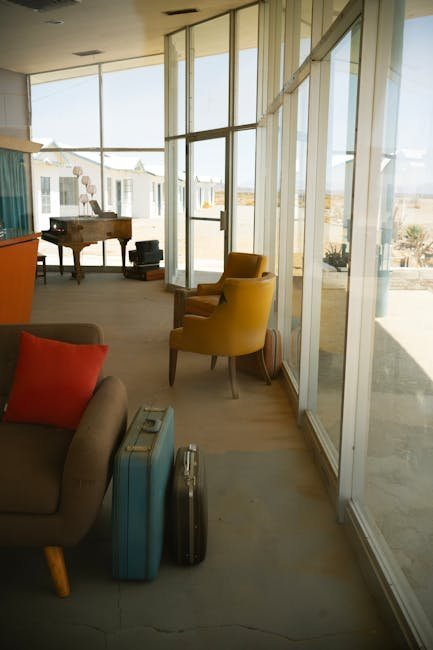
Color is used boldly and joyfully. Mustard yellow, avocado green, burnt orange, and turquoise are signature mid-century colors. These are used for upholstery, accent walls, and accessories against neutral backgrounds of white, beige, and wood tones.
Creating a Mid-Century Interior
A mid-century interior starts with the right furniture pieces. A few iconic designs such as an Eames lounge chair, a Saarinen tulip table, or a Wegner wishbone chair establish the style. Vintage originals and authorized reproductions are both widely available.
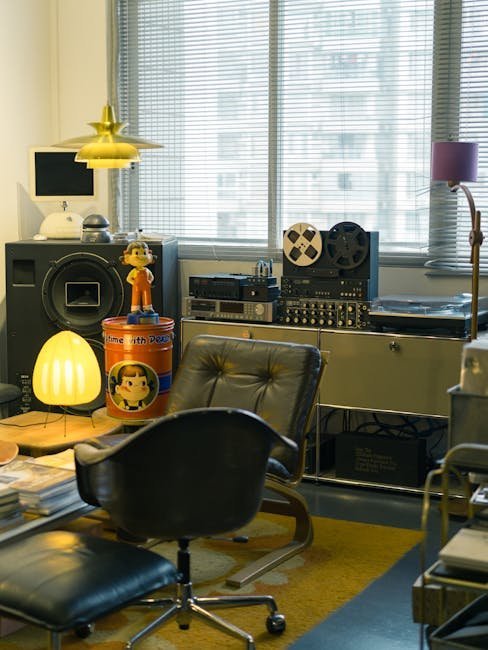
Lighting is important. The Nelson Bubble Lamps, the Arco floor lamp by Achille Castiglioni, and the PH Artichoke pendant by Poul Henningsen are signature mid-century lighting designs that remain in production.
Accessories should be carefully chosen. Abstract art, geometric patterns, and organic sculptures complement the furniture. The overall effect should be curated but not cluttered, with each piece having room to breathe.
"The details are not the details. They make the design. The Eames chair is not a chair but a philosophy of living made tangible, a belief that good design improves life."
Further Reading
Learn more about Mid-century modern on Wikipedia and explore broader Western architecture traditions.
The enduring appeal of mid-century modern design lies in its optimism — a belief that good design could improve everyday life and that modern technology, combined with natural materials and organic forms, could create homes that were both beautiful and livable. This philosophy, developed by designers including Charles and Ray Eames, Eero Saarinen, and Finn Juhl, produced furniture and interiors that remain in production decades after their introduction. The continued relevance of mid-century modern design testifies to the power of ideas — clean lines, honest materials, human scale, and the integration of indoor and outdoor living — that transcend stylistic fashion.
Key Elements of Mid-Century Modern Style
Mid-century modern design emerged from the post-World War II era, roughly 1945 to 1965, and remains one of the most influential design movements in history. The style is characterized by clean lines, organic curves, and a seamless integration of form and function. Designers like Charles and Ray Eames, Arne Jacobsen, and George Nelson created furniture that was accessible, innovative, and timeless, establishing principles that continue to inform contemporary design.
The color palette of mid-century modern interiors balances warm neutrals with bold accent colors. Teal, mustard yellow, burnt orange, and avocado green are signature hues, often set against backgrounds of warm wood, white, and cream. These accent colors appear in upholstery, throw pillows, artwork, and accessories, providing visual excitement without overwhelming the clean-lined furniture.
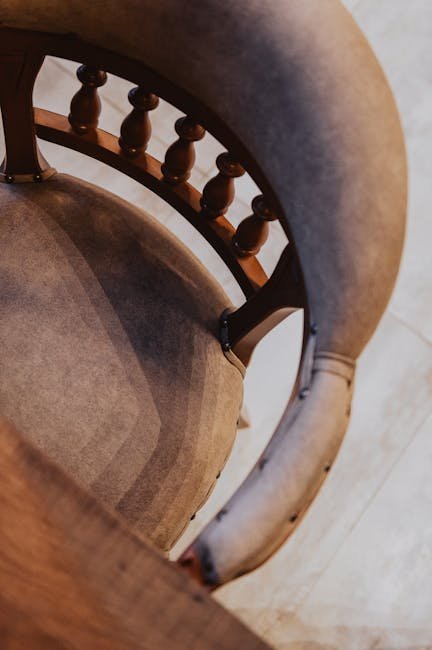
Furniture is the defining element of mid-century modern style. Pieces feature tapered legs, organic shapes, and minimal ornamentation, with an emphasis on craftsmanship and material honesty. Iconic designs like the Eames Lounge Chair, Noguchi coffee table, and Wegner Wishbone chair remain sought after for their perfect balance of comfort and sculptural beauty. Wood is celebrated in its natural form, with teak, walnut, and rosewood being preferred species that add warmth to the clean geometries.
Open floor plans are central to mid-century modern architecture, with living, dining, and kitchen spaces flowing together. Large windows blur the boundary between indoors and outdoors, a principle borrowed from Japanese architecture that mid-century designers admired. Built-in storage, room dividers, and fireplace surrounds are integrated into the architecture rather than added afterward, creating cohesive spaces where furniture and structure work in harmony.
Key Elements of Mid-Century Modern Style
Mid-century modern design emerged from the post-World War II era, roughly 1945 to 1965, and remains one of the most influential design movements in history. The style is characterized by clean lines, organic curves, and a seamless integration of form and function. Designers like Charles and Ray Eames, Arne Jacobsen, and George Nelson created furniture that was accessible, innovative, and timeless, establishing principles that continue to inform contemporary design.
The color palette of mid-century modern interiors balances warm neutrals with bold accent colors. Teal, mustard yellow, burnt orange, and avocado green are signature hues, often set against backgrounds of warm wood, white, and cream. These accent colors appear in upholstery, throw pillows, artwork, and accessories, providing visual excitement without overwhelming the clean-lined furniture.
Furniture is the defining element of mid-century modern style. Pieces feature tapered legs, organic shapes, and minimal ornamentation, with an emphasis on craftsmanship and material honesty. Iconic designs like the Eames Lounge Chair, Noguchi coffee table, and Wegner Wishbone chair remain sought after for their perfect balance of comfort and sculptural beauty. Wood is celebrated in its natural form, with teak, walnut, and rosewood being preferred species that add warmth to the clean geometries.
Open floor plans are central to mid-century modern architecture, with living, dining, and kitchen spaces flowing together. Large windows blur the boundary between indoors and outdoors, a principle borrowed from Japanese architecture that mid-century designers admired. Built-in storage, room dividers, and fireplace surrounds are integrated into the architecture rather than added afterward, creating cohesive spaces where furniture and structure work in harmony.
Lighting in mid-century modern interiors is sculptural and iconic. The Arco floor lamp by Castiglioni, the Sputnik chandelier, and George Nelson bubble lamps are as much art as they are functional objects. Pendant lights with teak or walnut shades, sputnik-style chandeliers with exposed bulbs on metal arms, and angled floor lamps create dramatic silhouettes against clean walls. These lighting pieces serve as sculpture when not illuminated and provide warm, ambient light when on.
Pattern and texture appear in mid-century interiors through textiles and wallcoverings. Geometric patterns in rugs and upholstery, atomic-age motifs in wallpaper, and abstract expressionist art on walls add visual interest without competing with the clean-lined furniture. Textures are varied but natural, including wool rugs, linen upholstery, leather seating, and wood veneer surfaces. The combination of smooth and textured surfaces creates visual depth within the restrained aesthetic.
The mid-century modern bedroom extends the principles of clean lines and organic forms. Platform beds with low profiles and tapered legs anchor the space, often with built-in headboards that incorporate nightstands and storage. Dressers with sculptural pulls and angled legs provide storage while serving as design statements. The color palette remains warm and natural, with wood tones providing the primary warmth against neutral walls and bedding.
Key Elements of Mid-Century Modern Style
Mid-century modern design emerged from the post-World War II era, roughly 1945 to 1965, and remains one of the most influential design movements in history. The style is characterized by clean lines, organic curves, and a seamless integration of form and function. Designers like Charles and Ray Eames, Arne Jacobsen, and George Nelson created furniture that was accessible, innovative, and timeless, establishing principles that continue to inform contemporary design.
The color palette balances warm neutrals with bold accent colors. Teal, mustard yellow, burnt orange, and avocado green are signature hues, often set against backgrounds of warm wood, white, and cream. These accent colors appear in upholstery, throw pillows, artwork, and accessories, providing visual excitement without overwhelming the clean-lined furniture.
Furniture is the defining element of mid-century modern style. Pieces feature tapered legs, organic shapes, and minimal ornamentation, with an emphasis on craftsmanship and material honesty. Iconic designs like the Eames Lounge Chair, Noguchi coffee table, and Wegner Wishbone chair remain sought after for their perfect balance of comfort and sculptural beauty. Wood is celebrated in its natural form, with teak, walnut, and rosewood adding warmth to the clean geometries.
Open floor plans are central to mid-century modern architecture, with living, dining, and kitchen spaces flowing together. Large windows blur the boundary between indoors and outdoors, a principle borrowed from Japanese architecture. Built-in storage, room dividers, and fireplace surrounds are integrated into the architecture rather than added afterward, creating cohesive spaces.
Lighting in mid-century modern interiors is sculptural and iconic. The Arco floor lamp by Castiglioni, the Sputnik chandelier, and George Nelson bubble lamps are as much art as functional objects. Pendant lights with teak or walnut shades and sputnik-style chandeliers with exposed bulbs create dramatic silhouettes against clean walls. These pieces serve as sculpture when not illuminated.
Pattern and texture appear through textiles and wallcoverings. Geometric patterns in rugs and upholstery, atomic-age motifs in wallpaper, and abstract expressionist art on walls add visual interest without competing with the clean-lined furniture. Textures are varied but natural, including wool rugs, linen upholstery, leather seating, and wood veneer surfaces.