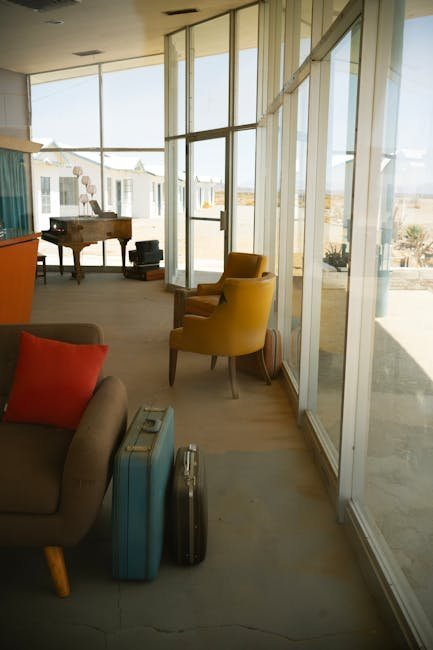
The Coastal Aesthetic
Coastal interior design captures the feeling of being at the beach: relaxed, fresh, and connected to nature. It is a style defined more by its emotional quality than by rigid rules, evoking the colors, textures, and light of the seaside.
Coastal design varies by geography. New England coastal style incorporates nautical elements and darker blues. Mediterranean coastal style uses white, terra cotta, and vibrant accents. California coastal style is relaxed and indoor-outdoor. All share a love of light, natural materials, and casual comfort.
The coastal style is not about beach-themed decor like shells and starfish. It is about creating an atmosphere of calm and ease, using color, texture, and light to evoke the feeling of a seaside retreat.
Colors & Light
The coastal palette is inspired by sea, sand, and sky. White is the foundation, used on walls, trim, and large furniture pieces. Blue is the primary accent color, ranging from pale sky blue to deep navy. Sandy beiges, seafoam greens, and weathered grays complete the palette.
Natural light is maximized. Windows are left bare or covered with sheer white curtains that diffuse light. The goal is a bright, airy interior that feels open to the outdoors.
Reflective surfaces amplify light. Mirrors, glass, and glossy finishes bounce light around the room. White walls and light floors create a bright, open feel that is the essence of coastal style.
Materials & Textures
Natural materials dominate. Rattan, wicker, bamboo, jute, and seagrass add texture and organic warmth. These materials are used for furniture, lighting, and accessories. Their natural variations in color and texture prevent the space from feeling too uniform.
Wood is light and weathered. White oak, ash, and bleached woods are preferred over dark finishes. Reclaimed wood with a driftwood-like patina adds character. Painted wood furniture in white or pastel colors is also common.
Fabrics are light and casual. Linen, cotton, and canvas are used for upholstery, curtains, and bedding. Textures like nubby linen, chunky knits, and soft cotton add tactile interest. Patterns are classic: stripes, ticking, and subtle geometrics.
Creating a Coastal Home
Start with a neutral base of white and beige. Add blue in layers: a navy sofa, sky blue pillows, a striped rug. The blue should feel natural and soft, not primary and bold. Reference the colors of the ocean at different times of day.
Furniture is casual and comfortable. Oversized sofas, slipcovered armchairs, and weathered wood tables create a relaxed feel. The furniture should invite sitting, reading, and napping. Formality is the enemy of coastal style.
Accessories are natural and minimal. Driftwood, shells, and sea grass baskets are used sparingly. Artwork features seascapes, coastal landscapes, or abstract watercolors in coastal colors. The goal is an uncluttered space that feels calm and restorative.
"Coastal design is not about decorating with shells and anchors. It is about capturing the feeling of being by the water: the lightness, the calm, the sense of endless horizon."
Further Reading
Learn more about Coastal design on Wikipedia and explore broader Western architecture traditions.


Coastal interior design has evolved from a strictly regional seaside aesthetic into a widely adopted style that appeals to homeowners far from any ocean. The style's core appeal lies in its evocation of relaxation, simplicity, and connection to nature — qualities that resonate regardless of geography. Contemporary coastal design has moved beyond literal nautical motifs toward a more sophisticated palette inspired by the shore: crisp whites, soft blues, warm sand tones, and accents of driftwood gray. Natural textures — linen, rattan, seagrass, and weathered wood — create the tactile quality that defines the coastal look. The most successful coastal interiors capture the feeling of a breezy beach house without resorting to cliches, creating spaces that feel open, airy, and effortlessly inviting.
Key Elements of Coastal Style
Coastal interior design draws inspiration from seaside living, emphasizing light, airy spaces that evoke the feeling of being near the ocean. The palette centers on whites, soft blues, sandy beiges, and seafoam greens, creating a serene backdrop that feels fresh and expansive. Unlike nautical themes that lean into literal marine motifs, modern coastal design is more subtle, suggesting the shore through color and texture rather than anchors and starfish.
Natural light is the most important element in coastal interiors. Windows are kept unadorned or dressed in sheer white linen curtains that filter sunlight gently. The goal is to maximize brightness throughout the day, making rooms feel larger and more open. White walls and ceilings reflect light effectively, while pale wood floors in white oak or blonde pine add warmth without darkening the space.
Texture comes from natural materials: rattan furniture, jute rugs, seagrass baskets, linen upholstery, and driftwood accents. These materials bring organic warmth to the otherwise cool color palette and connect the interior to the beach environment. Layered textures prevent the space from feeling sterile or clinical, which is the primary risk of an all-white scheme.
Furniture in coastal interiors is comfortable and casual. Slipcovered sofas in washable white or cream fabric, weathered wood coffee tables, and wicker armchairs create a relaxed atmosphere. The overall effect should feel effortless and unpretentious, as if the furniture has been gathered over years of seaside living rather than purchased as a coordinated set. Accessories are minimal and curated, with driftwood, sea glass, shells, and ceramic vessels providing subtle nods to the coastal setting.
Key Elements of Coastal Style
Coastal interior design draws inspiration from seaside living, emphasizing light, airy spaces that evoke the feeling of being near the ocean. The palette centers on whites, soft blues, sandy beiges, and seafoam greens, creating a serene backdrop that feels fresh and expansive. Unlike nautical themes that lean into literal marine motifs, modern coastal design is more subtle, suggesting the shore through color and texture rather than anchors and starfish.
Natural light is the most important element in coastal interiors. Windows are kept unadorned or dressed in sheer white linen curtains that filter sunlight gently. The goal is to maximize brightness throughout the day, making rooms feel larger and more open. White walls and ceilings reflect light effectively, while pale wood floors in white oak or blonde pine add warmth without darkening the space.
Texture comes from natural materials: rattan furniture, jute rugs, seagrass baskets, linen upholstery, and driftwood accents. These materials bring organic warmth to the otherwise cool color palette and connect the interior to the beach environment. Layered textures prevent the space from feeling sterile or clinical, which is the primary risk of an all-white scheme.
Furniture in coastal interiors is comfortable and casual. Slipcovered sofas in washable white or cream fabric, weathered wood coffee tables, and wicker armchairs create a relaxed atmosphere. The overall effect should feel effortless and unpretentious, as if the furniture has been gathered over years of seaside living rather than purchased as a coordinated set. Accessories are minimal and curated, with driftwood, sea glass, shells, and ceramic vessels providing subtle nods to the coastal setting.
Flooring in coastal interiors is typically light wood, whitewashed plank, or natural fiber carpet. Area rugs in striped patterns or natural jute define seating areas without blocking the visual flow. Walls are kept clean and uncluttered, with beadboard or shiplap adding subtle texture in bathrooms and kitchens. The overall effect is a space that feels open, breathable, and connected to the outdoor environment.
Kitchens in coastal style embrace white cabinetry, marble or quartz countertops, and open shelving displaying white dishes and glassware. Backsplashes in subway tile or marine-inspired fish scale patterns add subtle visual interest without overwhelming the serene palette. Hardware in brushed nickel or polished chrome complements the light, fresh aesthetic. The kitchen becomes a bright, welcoming space that encourages casual cooking and gathering.
Bathrooms carry the coastal theme through white wainscoting, beadboard walls, and pedestal sinks that maintain an open, airy feel. Rainfall showerheads and freestanding tubs evoke spa-like luxury. Accessories in natural materials, including bamboo bath mats, cotton towels stacked on open shelving, and woven storage baskets, reinforce the connection to nature. The goal is a bathroom that feels like a private retreat, with salt-scrubbed simplicity and ocean-inspired tranquility.
Key Elements of Coastal Style
Coastal interior design draws inspiration from seaside living, emphasizing light, airy spaces that evoke the feeling of being near the ocean. The palette centers on whites, soft blues, sandy beiges, and seafoam greens, creating a serene backdrop that feels fresh and expansive. Unlike nautical themes that lean into literal marine motifs, modern coastal design suggests the shore through color and texture rather than anchors and starfish.
Natural light is the most important element in coastal interiors. Windows are kept unadorned or dressed in sheer white linen curtains that filter sunlight gently. The goal is to maximize brightness throughout the day, making rooms feel larger and more open. White walls and ceilings reflect light effectively, while pale wood floors in white oak or blonde pine add warmth without darkening the space.
Texture comes from natural materials: rattan furniture, jute rugs, seagrass baskets, linen upholstery, and driftwood accents. These materials bring organic warmth to the otherwise cool color palette and connect the interior to the beach environment. Layered textures prevent the space from feeling sterile or clinical, the primary risk of an all-white scheme.
Furniture in coastal interiors is comfortable and casual. Slipcovered sofas in washable white or cream fabric, weathered wood coffee tables, and wicker armchairs create a relaxed atmosphere. The overall effect should feel effortless and unpretentious, as if gathered over years of seaside living. Accessories are minimal and curated, with driftwood, sea glass, shells, and ceramic vessels providing subtle nods to the coastal setting.
Flooring in coastal interiors is typically light wood, whitewashed plank, or natural fiber carpet. Area rugs in striped patterns or natural jute define seating areas without blocking visual flow. Walls are kept clean and uncluttered, with beadboard or shiplap adding subtle texture in bathrooms and kitchens. The overall effect is a space that feels open, breathable, and connected to the outdoor environment.
Kitchens embrace white cabinetry, marble or quartz countertops, and open shelving displaying white dishes and glassware. Backsplashes in subway tile or marine-inspired fish scale patterns add visual interest without overwhelming the serene palette. Hardware in brushed nickel or polished chrome complements the light, fresh aesthetic.
Landscaping and outdoor living spaces are integral to the coastal lifestyle, extending the interior palette seamlessly onto porches, decks, and patios. Weather-resistant materials like teak, rope, and aluminum in white or natural finishes furnish outdoor areas with the same breezy elegance found indoors. Outdoor showers, window boxes filled with white hydrangeas or sea grasses, and paths lined with crushed shells or smooth pebbles reinforce the connection between the house and its coastal setting. The transition between indoor and outdoor spaces should feel effortless, with sliding glass doors or French doors opening to reveal matching color schemes and materials that blur the boundary between inside and out.
The enduring appeal of coastal design lies in its ability to create a permanent vacation mindset, transforming everyday living into a relaxed retreat regardless of actual proximity to the ocean. By prioritizing natural light, comfortable materials, and a palette inspired by sand and sea, coastal interiors offer a timeless antidote to the complexity of modern life, inviting inhabitants to slow down, breathe deeply, and appreciate the simple beauty of their surroundings.