More is More
Maximalist interior design is the joyful rejection of minimalist restraint. It celebrates abundance, color, pattern, and personality. Where minimalism says edit, maximalism says add. Where minimalism seeks calm, maximalism seeks delight.
Maximalism is not the same as clutter. The maximalist interior is carefully curated, with each element chosen for its contribution to the whole. The style requires design skill to manage the complexity. Successful maximalism is controlled excess.
Maximalism has deep historical roots. Victorian interiors, with their pattern-on-pattern and collections of objects, were maximalist. The style re-emerged in the 1980s with the Memphis Group and postmodern designers. Today, maximalism is a reaction against the dominance of minimalist aesthetics.
Color & Pattern
Color is used without fear. Bold colors like emerald green, sapphire blue, ruby red, and vibrant pink are used for walls, ceilings, and furnishings. Color drenching, where walls, trim, and ceiling are all painted the same bold color, is a maximalist technique.
Pattern is layered freely. Floral wallpaper, geometric curtains, striped upholstery, and patterned rugs coexist in the same room. The key to successful pattern mixing is variety of scale: a large-scale floral with a small-scale geometric, for example.
Maximalist patterns often reference historical styles: chinoiserie, toile, damask, and arabesque. These traditional patterns are used in unexpected colorways or combined in surprising ways that feel contemporary rather than antique.
Collections & Display
Collections are central to maximalist interiors. Books, art, ceramics, shells, or any objects of personal significance are displayed rather than stored. The collection grows and changes over time, making the interior a living document of the owner's interests.
Display is as important as the objects themselves. Gallery walls, open shelving, and vitrines present collections as installations. The arrangement is considered, with attention to color, scale, and spacing.
The maximalist interior is deliberately theatrical. Unexpected elements like a canopy bed, a carved antique mirror, or a contemporary neon sign create drama and conversation. The goal is a space that entertains and inspires.
Creating Maximalist Spaces
Start with a strong color or pattern statement on the walls. A bold wallpaper or deep paint color establishes the maximalist commitment. Everything else is built on this foundation.
Layer, layer, layer. A maximalist room might have a patterned rug, a striped sofa, floral pillows, a gallery wall, and a collection of objects on every surface. Each layer adds richness.
Balance the bold with the restful. Even in a maximalist interior, there should be places for the eye to rest: a clear surface, a quiet corner, an unpatterned piece. The contrast between busy and calm makes both more effective.
"More is more and less is a bore. Maximalism is the celebration of abundance, the joy of collecting, the art of living with the things you love without apology."
Further Reading
Learn more about Maximalism on Wikipedia and explore broader Western architecture traditions.

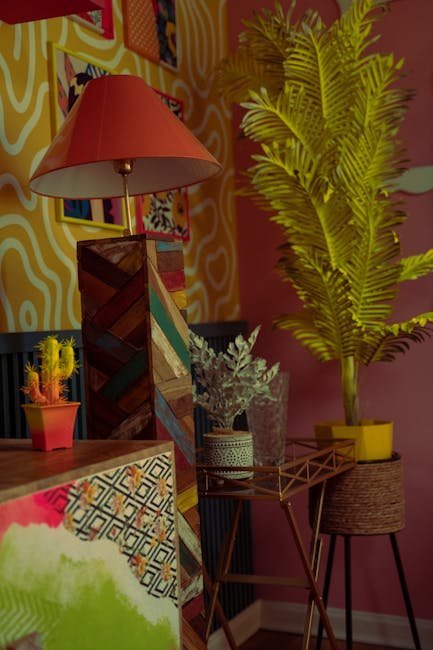
Maximalism challenges the dominant minimalist ethos of contemporary design by demonstrating that abundance, pattern, and color can create interiors of remarkable sophistication and emotional resonance. The style has gained particular traction among a younger generation of homeowners who reject the austerity of minimalist aesthetics in favor of spaces that express personality, curiosity, and cultural engagement. Contemporary maximalism is not a return to Victorian clutter but a deliberate design philosophy that values visual richness, personal narrative, and the joy of discovery. In an age of digital minimalism and algorithmic aesthetics, maximalist interiors assert the value of the unexpected, the handcrafted, and the deeply personal in shaping the places we call home.
Key Elements of Maximalist Style
Maximalism is the confident opposite of minimalism, embracing abundance, color, pattern, and personal expression without apology. Where minimalist interiors whisper, maximalist interiors speak boldly. The style is not chaos but curated richness, where every surface carries intention and every object contributes to a layered narrative. Successful maximalism requires restraint within abundance, using color theory and spatial awareness to create harmony within complexity.
Color is used structurally in maximalist design. Unlike bohemian style where color accumulates organically, maximalist color schemes are often deliberate and sophisticated. Deep jewel tones, vibrant primaries, and unexpected color combinations create dramatic impact. Wallpaper is a key tool, with bold patterns covering entire rooms or accent walls in floral, geometric, or trompe-loeil designs that add depth and visual intrigue.
Collections and displays are central to maximalist interiors. Gallery walls packed with art in mismatched frames, shelves filled with books and curios, and mantels crowded with vases and sculptures create visual density. The arrangement matters tremendously, with groupings organized by color, theme, or scale to prevent visual chaos. Symmetry and asymmetry are used intentionally to guide the eye through the richness.
Layering defines maximalist spaces at every level. Rugs overlap on floors, patterns mix on upholstery, and textiles accumulate on beds and sofas. The key to successful layering is establishing a unifying element, whether a common color that appears throughout, a repeated motif, or a consistent era. This unifying thread prevents the abundance from feeling haphazard and gives maximalist interiors their sophisticated, collected-over-time character.
Key Elements of Maximalist Style
Maximalism is the confident opposite of minimalism, embracing abundance, color, pattern, and personal expression without apology. Where minimalist interiors whisper, maximalist interiors speak boldly. The style is not chaos but curated richness, where every surface carries intention and every object contributes to a layered narrative. Successful maximalism requires restraint within abundance, using color theory and spatial awareness to create harmony within complexity.
Color is used structurally in maximalist design. Unlike bohemian style where color accumulates organically, maximalist color schemes are often deliberate and sophisticated. Deep jewel tones, vibrant primaries, and unexpected color combinations create dramatic impact. Wallpaper is a key tool, with bold patterns covering entire rooms or accent walls in floral, geometric, or trompe-loeil designs that add depth and visual intrigue.
Collections and displays are central to maximalist interiors. Gallery walls packed with art in mismatched frames, shelves filled with books and curios, and mantels crowded with vases and sculptures create visual density. The arrangement matters tremendously, with groupings organized by color, theme, or scale to prevent visual chaos. Symmetry and asymmetry are used intentionally to guide the eye through the richness.
Layering defines maximalist spaces at every level. Rugs overlap on floors, patterns mix on upholstery, and textiles accumulate on beds and sofas. The key to successful layering is establishing a unifying element, whether a common color that appears throughout, a repeated motif, or a consistent era. This unifying thread prevents the abundance from feeling haphazard and gives maximalist interiors their sophisticated, collected-over-time character.
Pattern mixing is a skill that maximalists master through practice and confidence. The key is varying scale, combining large-scale floral patterns with small geometric prints and medium-scale stripes. A common color palette across different patterns creates cohesion, even when the patterns themselves are wildly different. Tropical prints coexist with damask, ikat with toile, all united by shared colors that appear throughout the room. The result is sophisticated density rather than visual chaos.
Furniture in maximalist interiors makes bold statements through color, shape, and upholstery. Velvet sofas in deep emerald or sapphire, tufted armchairs in jewel-toned silk, and lacquered cabinets in high-gloss colors create dramatic focal points. Furniture styles mix freely across periods, with a Victorian chaise lounge beside a modern acrylic side table and an Art Deco bar cabinet against a contemporary abstract wallpaper. Each piece contributes to the layered narrative of the space.
Lighting in maximalist interiors is as expressive as the furnishings. Chandeliers in crystal, colored glass, or sculptural metal forms hang as centerpieces. Table lamps with ornate bases and pleated silk shades provide ambient light. Floor lamps with dramatic arches or multiple arms add both illumination and sculptural presence. The lighting fixtures themselves are decorative objects, chosen for their ability to contribute to the overall richness of the interior.
Key Elements of Maximalist Style
Maximalism is the confident opposite of minimalism, embracing abundance, color, pattern, and personal expression without apology. Where minimalist interiors whisper, maximalist interiors speak boldly. The style is not chaos but curated richness, where every surface carries intention and every object contributes to a layered narrative. Successful maximalism requires restraint within abundance, using color theory and spatial awareness to create harmony within complexity.
Color is used structurally in maximalist design. Unlike bohemian style where color accumulates organically, maximalist color schemes are often deliberate and sophisticated. Deep jewel tones, vibrant primaries, and unexpected color combinations create dramatic impact. Wallpaper is a key tool, with bold patterns covering entire rooms or accent walls in floral, geometric, or trompe-loeil designs that add depth and visual intrigue.
Collections and displays are central to maximalist interiors. Gallery walls packed with art in mismatched frames, shelves filled with books and curios, and mantels crowded with vases and sculptures create visual density. The arrangement matters tremendously, with groupings organized by color, theme, or scale to prevent visual chaos. Symmetry and asymmetry are used intentionally to guide the eye through the richness.
Layering defines maximalist spaces at every level. Rugs overlap on floors, patterns mix on upholstery, and textiles accumulate on beds and sofas. The key to successful layering is establishing a unifying element, whether a common color that appears throughout, a repeated motif, or a consistent era, giving maximalist interiors their sophisticated, collected-over-time character.
Pattern mixing is a skill that maximalists master through practice. The key is varying scale, combining large-scale floral patterns with small geometric prints and medium-scale stripes. A common color palette across different patterns creates cohesion, even when the patterns themselves are wildly different. The result is sophisticated density rather than visual chaos.
Furniture in maximalist interiors makes bold statements through color, shape, and upholstery. Velvet sofas in deep emerald or sapphire, tufted armchairs in jewel-toned silk, and lacquered cabinets in high-gloss colors create dramatic focal points. Furniture styles mix freely across periods, with a Victorian chaise lounge beside a modern acrylic side table, each contributing to the layered narrative.