The Philosophy of Enough
Modern minimalist interior design is rooted in the belief that less is more. It is not about deprivation but about intentionality: keeping only what serves a purpose or brings joy, and giving each object space to be appreciated. The result is calm, uncluttered spaces that promote clarity and relaxation.
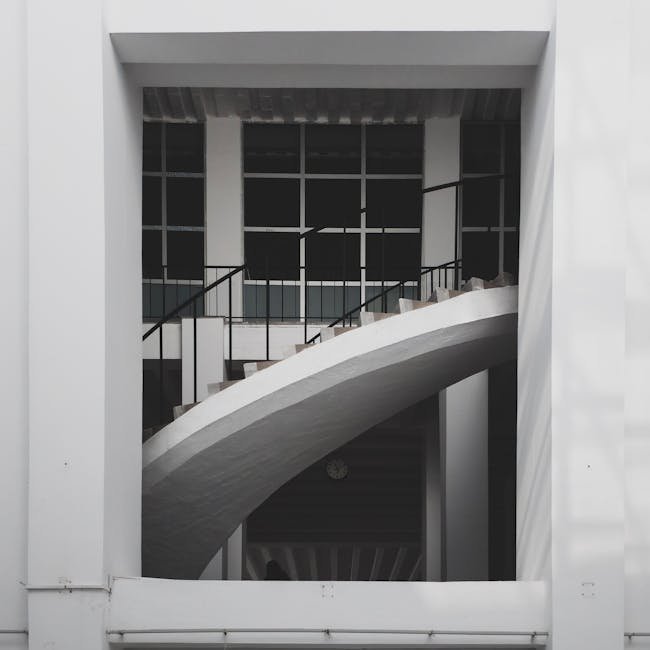
The modernist tradition from Mies van der Rohe and the Bauhaus school established the aesthetic foundation of minimalism: clean lines, simple forms, and the honest expression of materials. Japanese wabi-sabi, with its appreciation for imperfection and natural materials, added a spiritual dimension.
Minimalism has become a lifestyle movement as well as a design aesthetic. The principles of decluttering, conscious consumption, and quality over quantity have been popularized by Marie Kondo and others. In interior design, these principles translate into carefully curated spaces where every element earns its place.
Key Design Principles
Color is restrained in minimalist interiors. White, beige, gray, and black form the base, with occasional accents of a single color used sparingly. The absence of color noise creates a sense of visual calm that allows the eye to rest.
Texture becomes crucial when color is limited. A minimalist room might combine smooth plaster walls, a linen sofa, a wool rug, a wood table, and a ceramic vase. These tactile variations create interest without visual clutter.
Storage is integrated and concealed. Built-in cabinets, hidden closets, and furniture with hidden storage keep everyday objects out of sight. The goal is surfaces that are clear of clutter, creating a sense of order and control.
Furniture & Space Planning
Furniture in minimalist interiors is selected for its design quality and functional purity. Pieces are simple, well-proportioned, and often custom or designer. Fast furniture and trendy pieces are avoided in favor of timeless design.
Space is used generously. Minimalist rooms often have less furniture than conventional rooms, creating breathing room around each piece. This spaciousness is a luxury in itself, a deliberate choice to prioritize quality of space over quantity of objects.
The minimalist approach to space planning emphasizes flow and openness. Rooms are arranged to allow easy movement, with furniture placed to create clear pathways and visual sightlines. The arrangement should feel inevitable, as if the furniture could be in no other position.
Light & Atmosphere
Natural light is the most important element in a minimalist interior. Windows are left unadorned or covered with simple, sheer curtains. The changing quality of natural light throughout the day becomes a dynamic element of the interior.
Artificial lighting is layered: ambient, task, and accent. Lighting fixtures are chosen for their sculptural quality, often becoming the room's focal point. The goal is to create pools of light that define spaces without flooding the room with uniform brightness.
The minimalist interior at its best creates an atmosphere of tranquility and focus. It is a space that does not demand attention but allows the inhabitant to be present. In a noisy, cluttered world, this quality of space is increasingly precious.
"Minimalism is not the absence of something but the perfect presence of everything that matters. It is about finding clarity through reduction."
Further Reading
Learn more about Minimalism on Wikipedia and explore broader Western architecture traditions.
The modern minimalist approach to interior design has evolved significantly since its early twentieth-century origins. What began as a radical rejection of ornamentation has matured into a sophisticated design philosophy that prioritizes intentionality over austerity. Contemporary minimalist interiors are not empty but carefully edited, with every object earning its place through functional or aesthetic necessity. The most successful minimalist spaces achieve a quality of calm and clarity that is increasingly valuable in the noise and complexity of modern life, proving that the less-is-more ethos remains as relevant in the twenty-first century as it was at the Bauhaus.
Key Elements of Modern Minimalist Style
Modern minimalism is rooted in the principle that less is more, famously articulated by architect Ludwig Mies van der Rohe. The style strips away the nonessential to reveal the beauty of pure form, material, and space. Every element serves a purpose, and decoration for its own sake is eliminated. The result is interiors that feel calm, ordered, and spacious, providing respite from visual clutter and information overload.
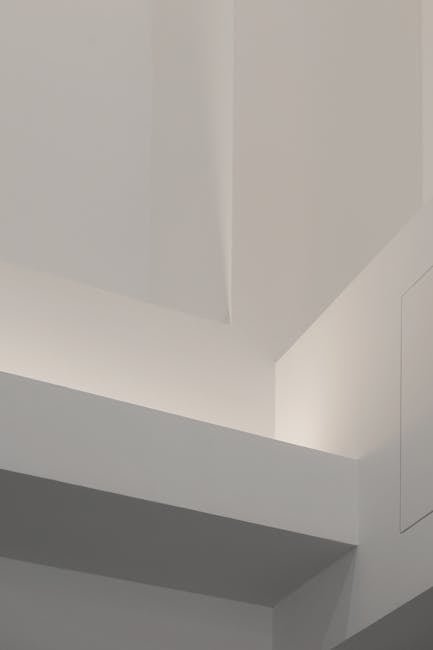
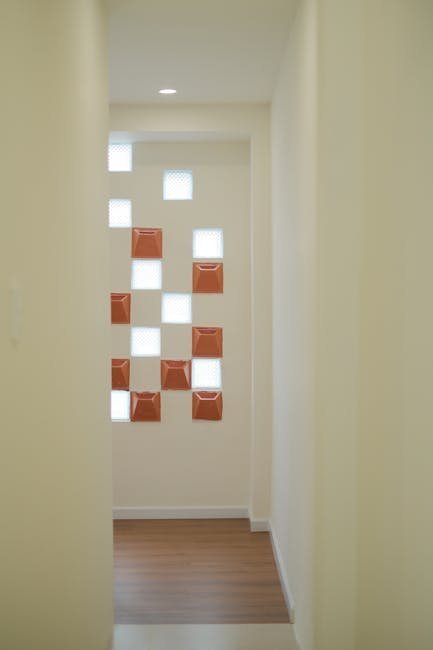
The color palette is intentionally restrained, typically featuring whites, grays, blacks, and one or two neutral tones. White walls and ceilings create a luminous backdrop that makes spaces feel larger and reflects natural light throughout the day. Color, when it appears, is used sparingly as an accent, often through a single artwork, a carefully chosen piece of furniture, or a textile. The restraint in color directs attention to the qualities of light, space, and material.
Storage is concealed to maintain clean visual planes. Built-in cabinetry, hidden closets, and furniture with integrated storage keep everyday objects out of sight. The minimalist home requires discipline in editing possessions, as clutter immediately disrupts the visual calm. This does not mean the space is empty, but rather that every visible object earns its place through functional necessity or exceptional beauty.
Materials in minimalist interiors are of high quality and allowed to speak for themselves. Polished concrete, natural stone, wide-plank wood flooring, and plaster walls provide texture and interest without pattern or ornament. The interaction of materials, light, and shadow creates the richness that decoration provides in other styles. Furniture is sculptural and sparse, with each piece selected for its proportion, material quality, and relationship to the space around it.
Key Elements of Modern Minimalist Style
Modern minimalism is rooted in the principle that less is more, famously articulated by architect Ludwig Mies van der Rohe. The style strips away the nonessential to reveal the beauty of pure form, material, and space. Every element serves a purpose, and decoration for its own sake is eliminated. The result is interiors that feel calm, ordered, and spacious, providing respite from visual clutter and information overload.
The color palette is intentionally restrained, typically featuring whites, grays, blacks, and one or two neutral tones. White walls and ceilings create a luminous backdrop that makes spaces feel larger and reflects natural light throughout the day. Color, when it appears, is used sparingly as an accent, often through a single artwork, a carefully chosen piece of furniture, or a textile. The restraint in color directs attention to the qualities of light, space, and material.
Storage is concealed to maintain clean visual planes. Built-in cabinetry, hidden closets, and furniture with integrated storage keep everyday objects out of sight. The minimalist home requires discipline in editing possessions, as clutter immediately disrupts the visual calm. This does not mean the space is empty, but rather that every visible object earns its place through functional necessity or exceptional beauty.
Materials in minimalist interiors are of high quality and allowed to speak for themselves. Polished concrete, natural stone, wide-plank wood flooring, and plaster walls provide texture and interest without pattern or ornament. The interaction of materials, light, and shadow creates the richness that decoration provides in other styles. Furniture is sculptural and sparse, with each piece selected for its proportion, material quality, and relationship to the space around it.
Lighting in minimalist interiors is integral to the architecture, with recessed fixtures, track lighting, and cove lighting providing illumination without visual clutter. Natural light is maximized through large windows, skylights, and light wells. The quality of light, both natural and artificial, shapes the experience of the space more than any decorative element. Shadows and highlights become the decoration, with the changing angle of sunlight providing ever-shifting visual interest throughout the day.
Furniture in minimalist interiors is sparse but carefully chosen for proportion and material quality. A single sofa defines the living area, selected for its clean lines and comfortable proportions. Tables are simple in form but exceptional in material, often in solid wood, marble, or glass. Storage is integrated into the architecture, with flush-front cabinets and concealed systems that maintain the uncluttered visual plane. The few decorative objects are displayed individually with generous space around them, each allowed to be fully appreciated.
The minimalist bedroom is a study in restraint and tranquility. The bed is a low platform with simple linens in white or neutral tones. Nightstands are minimal, often a simple shelf or slim table beside the bed. The wardrobe is concealed, eliminating visual noise. The room contains only what is essential for rest, creating an environment that supports deep sleep and morning clarity.
Key Elements of Modern Minimalist Style
Modern minimalism is rooted in the principle that less is more, famously articulated by architect Ludwig Mies van der Rohe. The style strips away the nonessential to reveal the beauty of pure form, material, and space. Every element serves a purpose, and decoration for its own sake is eliminated. The result is interiors that feel calm, ordered, and spacious, providing respite from visual clutter and information overload.
The color palette is intentionally restrained, typically featuring whites, grays, blacks, and one or two neutral tones. White walls and ceilings create a luminous backdrop that makes spaces feel larger and reflects natural light throughout the day. Color, when it appears, is used sparingly as an accent, often through a single artwork or a carefully chosen piece of furniture. The restraint in color directs attention to the qualities of light, space, and material.
Storage is concealed to maintain clean visual planes. Built-in cabinetry, hidden closets, and furniture with integrated storage keep everyday objects out of sight. The minimalist home requires discipline in editing possessions, as clutter immediately disrupts the visual calm. Every visible object earns its place through functional necessity or exceptional beauty.
Materials in minimalist interiors are of high quality and allowed to speak for themselves. Polished concrete, natural stone, wide-plank wood flooring, and plaster walls provide texture and interest without pattern or ornament. The interaction of materials, light, and shadow creates the richness that decoration provides in other styles. Furniture is sculptural and sparse, with each piece selected for its proportion and material quality.
Lighting in minimalist interiors is integral to the architecture, with recessed fixtures, track lighting, and cove lighting providing illumination without visual clutter. Natural light is maximized through large windows, skylights, and light wells. The quality of light shapes the experience of the space more than any decorative element, with shadows and highlights becoming the decoration.
Furniture in minimalist interiors is sparse but carefully chosen for proportion and material quality. A single sofa defines the living area, selected for clean lines and comfortable proportions. Tables are simple in form but exceptional in material, often in solid wood, marble, or glass. The few decorative objects are displayed individually with generous space around them.