The Bohemian Spirit
Bohemian or boho interior design is the opposite of minimalism in every way. It celebrates color, pattern, texture, and the accumulation of objects with meaning. The style is eclectic, personal, and deliberately imperfect. It is the interior of the free spirit.
The term bohemian originally referred to the Romani people, mistakenly believed to come from Bohemia. In the 19th century, it came to describe artists, writers, and musicians who rejected conventional society. The bohemian interior reflects this nonconformist attitude.
Bohemian interiors are layered and collected rather than designed all at once. They evolve over time as the owner travels, acquires new pieces, and rearranges. The result is a space that tells the story of its inhabitants' lives and experiences.
Color & Pattern
Bohemian interiors are fearless with color. Jewel tones like ruby, sapphire, and emerald mix with earthy browns, oranges, and warm neutrals. There is no color scheme in the conventional sense, just a personal collection of colors that please the inhabitant.
Pattern is layered freely. Persian rugs, Moroccan tiles, Indian block prints, African mud cloth, and Turkish kilims are mixed without concern for matching. The layering of patterns creates visual richness and a sense of worldly experience.
The key to successful bohemian pattern mixing is a common color thread. Even very different patterns can work together if they share at least one color. The overall effect should feel intentional rather than chaotic.
Materials & Textures
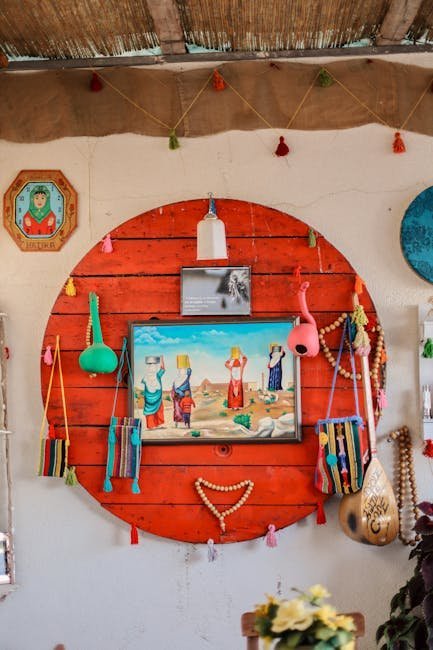
Texture is as important as color in boho interiors. Natural fibers like jute, sisal, cotton, wool, and linen create tactile variety. Macrame, fringe, tassels, and embroidery add handcrafted detail. The goal is a space that feels rich to the touch as well as the eye.
Plants are essential. Large floor plants, hanging planters, and shelves of smaller plants bring life and color to the bohemian interior. The plants soften hard edges and add to the natural, organic feel of the space.
Vintage and handmade items are preferred over mass-produced goods. Thrift store finds, flea market treasures, and artisan crafts give the bohemian interior its unique character. The stories behind the objects are as important as the objects themselves.
Creating a Boho Space
Start with a neutral base (warm white walls, natural fiber rug) and layer color and pattern through textiles, art, and accessories. This approach allows the style to evolve without major commitments.
Seating should be comfortable and inviting. Floor cushions, poufs, and low sofas create a relaxed, informal atmosphere. Layers of pillows in different sizes, colors, and patterns add comfort and visual interest.
Lighting is soft and ambient. String lights, lanterns, candles, and lamps with fabric shades create warm, flattering light. The bohemian interior is a refuge from the harsh, bright world outside.
"A bohemian home is not decorated but collected. Every object has a story, every corner a memory, and the whole is greater than the sum of its beautifully imperfect parts."
Further Reading
Learn more about Bohemian style on Wikipedia and explore broader Western architecture traditions.
Key Elements of Bohemian Style
Color is the defining feature of bohemian interiors, but unlike the calculated palettes of other styles, boho color schemes evolve organically through the accumulation of beloved objects. Deep jewel tones like sapphire blue, emerald green, and amethyst purple mingle with warm earth tones and unexpected pops of vibrant pink or orange. These colors typically appear not on walls, which usually remain neutral, but in textiles, artwork, and accessories, creating a rich tapestry of layered hues.
Texture is perhaps even more important than color in achieving an authentic boho look. Macrame wall hangings, woven tapestries, chunky knit throws, silk cushions, shag rugs, and velvet upholstery create sensory richness. Natural materials dominate, including jute, rattan, bamboo, wood, wool, cotton, and clay, each bringing its own tactile quality. Layering these textures is essential, with a linen sofa covered by velvet and cotton cushions, draped with a knitted throw, all set on a jute rug.
Global influences are a hallmark of bohemian design, with pieces collected from travels or inspired by distant cultures creating worldly sophistication. Moroccan leather poufs, Indian block-print textiles, Turkish kilim rugs, African mudcloth, Japanese ceramics, and Mexican Talavera pottery might all coexist in a single room, united by their handcrafted authenticity. Lighting emphasizes soft, warm illumination through paper lanterns, string lights, beaded chandeliers, and stained-glass pendants that scatter light in interesting patterns while avoiding harsh overhead glare.
Furniture in boho interiors is relaxed and eclectic, favoring comfort and character over matched sets. Oversized sofas piled with cushions, low-lying floor seating, and vintage armchairs reupholstered in bold fabrics create seating arrangements that prioritize relaxation. Pieces are often mismatched but united by shared materials or eras, with each element contributing to the narrative of a well-lived life.
Key Elements of Bohemian Style
Color is the defining feature of bohemian interiors, but unlike the calculated palettes of other styles, boho color schemes evolve organically through the accumulation of beloved objects. Deep jewel tones like sapphire blue, emerald green, and amethyst purple mingle with warm earth tones and unexpected pops of vibrant pink or orange. These colors typically appear not on walls, which usually remain neutral, but in textiles, artwork, and accessories, creating a rich tapestry of layered hues.
Texture is perhaps even more important than color in achieving an authentic boho look. Macrame wall hangings, woven tapestries, chunky knit throws, silk cushions, shag rugs, and velvet upholstery create sensory richness. Natural materials dominate, including jute, rattan, bamboo, wood, wool, cotton, and clay, each bringing its own tactile quality. Layering these textures is essential, with a linen sofa covered by velvet and cotton cushions, draped with a knitted throw, all set on a jute rug.
Global influences are a hallmark of bohemian design, with pieces collected from travels or inspired by distant cultures creating worldly sophistication. Moroccan leather poufs, Indian block-print textiles, Turkish kilim rugs, African mudcloth, Japanese ceramics, and Mexican Talavera pottery might all coexist in a single room, united by their handcrafted authenticity. Lighting emphasizes soft, warm illumination through paper lanterns, string lights, beaded chandeliers, and stained-glass pendants that scatter light in interesting patterns while avoiding harsh overhead glare.
Furniture in boho interiors is relaxed and eclectic, favoring comfort and character over matched sets. Oversized sofas piled with cushions, low-lying floor seating, and vintage armchairs reupholstered in bold fabrics create seating arrangements that prioritize relaxation. Pieces are often mismatched but united by shared materials or eras, with each element contributing to the narrative of a well-lived life.
Furniture arrangement in bohemian interiors prioritizes comfort and conversation over formal layouts. Low seating options like floor cushions, poufs, and oversized ottomans create casual gathering areas where guests can relax and linger. The arrangement should feel organic rather than planned, with seating grouped around a low coffee table or central rug rather than pushed against walls. This informal layout encourages the relaxed, social atmosphere that defines boho living.
Art and decor in bohemian interiors are deeply personal and often handmade or ethically sourced. Woven wall tapestries, painted mandalas, framed vintage prints, and original artwork from local artists mix freely. Mirrors with carved or painted frames, often in sunburst or ornately shaped designs, reflect light and add decorative interest. The key is that each piece has meaning to the inhabitant, whether acquired during travels, received as a gift, or created personally, making the home a genuine reflection of identity.
Bedrooms in the bohemian style embrace the same principles of layering and personal expression. Beds are draped with lightweight canopies or hung with macrame and textiles overhead. Layers of linens in mixed patterns, colors, and textures create a bed that invites lingering. Nightstands might be vintage stacked suitcases, carved wooden stools, or repurposed crates, each carrying their own character. Floor cushions and small side tables create cozy reading nooks within the bedroom, extending the relaxed lifestyle throughout the home.
Key Elements of Bohemian Style
Color is the defining feature of bohemian interiors, but unlike the calculated palettes of other styles, boho color schemes evolve organically through the accumulation of beloved objects. Deep jewel tones like sapphire blue, emerald green, and amethyst purple mingle with warm earth tones and unexpected pops of vibrant pink or orange. These colors typically appear not on walls, which usually remain neutral, but in textiles, artwork, and accessories, creating a rich tapestry of layered hues.
Texture is perhaps even more important than color in achieving an authentic boho look. Macrame wall hangings, woven tapestries, chunky knit throws, silk cushions, shag rugs, and velvet upholstery create sensory richness. Natural materials dominate, including jute, rattan, bamboo, wood, wool, cotton, and clay, each bringing its own tactile quality. Layering these textures is essential, with a linen sofa covered by velvet and cotton cushions, draped with a knitted throw, all set on a jute rug.
Global influences are a hallmark of bohemian design, with pieces collected from travels or inspired by distant cultures creating worldly sophistication. Moroccan leather poufs, Indian block-print textiles, Turkish kilim rugs, African mudcloth, Japanese ceramics, and Mexican Talavera pottery might all coexist in a single room, united by their handcrafted authenticity. Lighting emphasizes soft, warm illumination through paper lanterns, string lights, beaded chandeliers, and stained-glass pendants that scatter light in interesting patterns while avoiding harsh overhead glare.
Furniture in boho interiors is relaxed and eclectic, favoring comfort and character over matched sets. Oversized sofas piled with cushions, low-lying floor seating, and vintage armchairs reupholstered in bold fabrics create seating arrangements that prioritize relaxation. Pieces are often mismatched but united by shared materials or eras, with each element contributing to the narrative of a well-lived life.
Furniture arrangement in bohemian interiors prioritizes comfort and conversation over formal layouts. Low seating options like floor cushions, poufs, and oversized ottomans create casual gathering areas where guests can relax and linger. The arrangement should feel organic rather than planned, with seating grouped around a low coffee table or central rug rather than pushed against walls.
Art and decor in bohemian interiors are deeply personal and often handmade or ethically sourced. Woven wall tapestries, painted mandalas, framed vintage prints, and original artwork from local artists mix freely. Mirrors with carved or painted frames reflect light and add decorative interest. The key is that each piece has meaning to the inhabitant, whether acquired during travels, received as a gift, or created personally.
Bohemian style adapts well to every room in the home, including home offices and entryways where first impressions matter. An entryway with a vibrant kilim runner, a carved wooden mirror, and a cluster of hanging plants immediately signals the eclectic personality of the home. In home offices, boho styling transforms functional spaces into inspiring environments where patterned textiles, layered rugs, and personal collections stimulate creativity rather than distract from it. The key to adapting bohemian style across different functions is maintaining the principle of curated abundance, where every object earns its place through meaning or beauty.
Sustainable and ethical practices align naturally with the bohemian philosophy of mindful consumption and appreciation for handmade crafts. Boho interiors typically prioritize vintage, secondhand, and artisan-made pieces over mass-produced furniture, reducing environmental impact while supporting traditional craftspeople around the world. Upcycling old furniture with bright paint or new upholstery, repurposing textiles as wall hangings or pillow covers, and choosing natural materials over synthetic alternatives all reflect the boho commitment to authenticity. This ethical dimension adds depth to the aesthetic, making the bohemian home not just visually rich but also aligned with values of sustainability and cultural appreciation.