The Fusion of East and West
Japandi is the most significant design fusion of the 21st century, combining Japanese wabi-sabi (beauty in imperfection) with Scandinavian hygge (cozy contentment). The result is a style that is warm without clutter, minimal without coldness, and deeply connected to nature.
Both traditions share fundamental values: love of natural materials, respect for craftsmanship, simplicity of form, and the importance of function. Both reject excess and prioritize quality over quantity. The fusion feels natural because the two traditions are already aligned.
Japandi emerged as a recognizable style in the 2010s, popularized by design blogs and social media. It resonates with contemporary desires for calm, sustainable, and meaningful interiors in an increasingly chaotic world.
Materials & Colors
Wood is the primary material, and the choice of wood defines the Japandi palette. Japanese influence brings darker woods: walnut, ebony, and charred cedar (shou sugi ban). Scandinavian influence contributes lighter woods: oak, birch, and ash. The combination creates warm contrast.
The color palette is restrained and natural. Warm grays, soft whites, and earthy browns form the base. Black is used for contrast in furniture frames, light fixtures, and window frames. Accent colors, if used, are muted: dusty pink, sage green, or rust.
Texture provides the interest that color does not. Rough ceramics, smooth wood, soft linen, and nubby wool create a rich tactile landscape. The contrast between smooth and rough, soft and hard, light and dark is central to Japandi aesthetics.
Design Principles
Wabi-sabi, the Japanese concept of finding beauty in imperfection, is fundamental. A handmade ceramic bowl with an irregular glaze, a wooden table with visible grain and knots, a linen pillow that wrinkles naturally all embody wabi-sabi. The goal is authentic, not perfect.
Ma, the Japanese concept of negative space, is equally important. Rooms are not filled but composed with intention. Empty space is as important as occupied space. Furniture is spaced generously, and surfaces are kept clear.
The Japanese concept of shibui (simple, subtle, unobtrusive beauty) and the Scandinavian concept of lagom (not too little, not too much, just right) together create a design philosophy of balanced restraint.
Creating a Japandi Interior
Choose furniture that is simple, functional, and beautifully made. Low profiles, clean lines, and natural materials are essential. Japanese tansu chests, Scandinavian modern sofas, and handcrafted wooden tables work together harmoniously.
Lighting is warm and layered. Paper lanterns, rice paper shades, and simple ceramic lamps provide soft, diffused light. The Japanese tradition of indirect lighting creates a calm, meditative atmosphere in the evening.
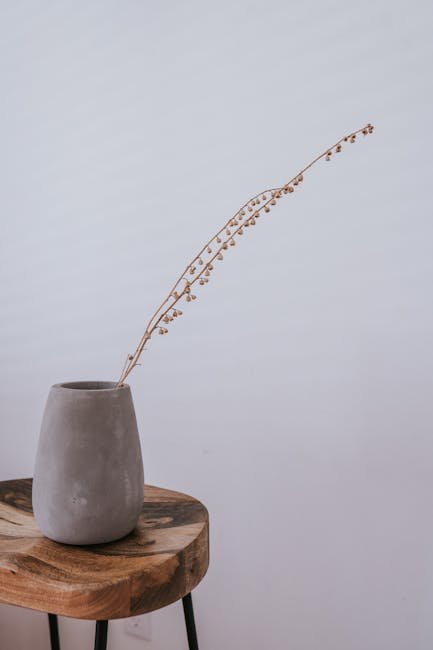
Accessories are few but meaningful. A single ceramic vase with a seasonal branch, a handmade tea bowl on a shelf, a carefully chosen piece of textile art. Each object has presence because it has space around it.
"Japandi is not a style you buy but a philosophy you live. It is the conscious choice to surround yourself with fewer, better things that bring quiet joy and daily comfort."
Further Reading
Learn more about Japandi on Wikipedia and explore broader Western architecture traditions.

Japandi represents one of the most successful cross-cultural design syntheses of the contemporary era, merging the Japanese principles of wabi-sabi — finding beauty in imperfection, impermanence, and incompleteness — with the Scandinavian values of democratic design, functionality, and warmth. The result is an aesthetic that feels both exotic and familiar, simple yet deeply satisfying. Japandi interiors prioritize quality over quantity, with carefully chosen furniture and objects that improve with age. The palette is restrained — warm neutrals, muted earth tones, and occasional deep accents — allowing texture and form to carry the visual interest. In a world of constant stimulation, Japandi offers a place of calm, a reminder that true luxury lies not in abundance but in the thoughtful curation of objects that nourish the spirit.
Key Elements of Japandi Style
Japandi represents the intersection of Japanese wabi-sabi philosophy with Scandinavian functionalism. The result is an aesthetic that values imperfection, natural materials, and purposeful simplicity. Unlike pure minimalism, which can feel cold, Japandi interiors are warm and inviting through their emphasis on natural textures, soft lighting, and handcrafted objects that carry the marks of their makers.
The color palette is muted and earth-toned, featuring warm whites, soft grays, clay browns, olive greens, and deep charcoals. These colors create a soothing, meditative environment that supports calm and focus. Unlike Scandinavian design's brighter whites, Japandi favors warmer, creamier tones that feel more grounded and intimate. The palette is intentionally limited, with no more than three to four colors in any space.
Materials are natural and unadorned. Wood appears in its natural state, typically in lighter species like oak, birch, and ash, finished with clear oils or soaps that preserve the tactile quality of the grain. Stone, clay, linen, cotton, and paper add variety through subtle textural differences rather than bold contrasts. The Japanese influence appears in the use of shoji screens, tatami mats, and ceramics, while Scandinavian influence shows in clean-lined furniture and functional layouts.
Furniture is low to the ground, following Japanese tradition, with clean lines and minimal ornamentation in the Scandinavian manner. Each piece is chosen with care and given space to breathe. Storage is integrated and concealed, maintaining the clean visual plane that both traditions value. The goal is not emptiness but intentional emptiness, where every object earns its place through beauty or utility.
Key Elements of Japandi Style
Japandi represents the intersection of Japanese wabi-sabi philosophy with Scandinavian functionalism. The result is an aesthetic that values imperfection, natural materials, and purposeful simplicity. Unlike pure minimalism, which can feel cold, Japandi interiors are warm and inviting through their emphasis on natural textures, soft lighting, and handcrafted objects that carry the marks of their makers.
The color palette is muted and earth-toned, featuring warm whites, soft grays, clay browns, olive greens, and deep charcoals. These colors create a soothing, meditative environment that supports calm and focus. Unlike Scandinavian design's brighter whites, Japandi favors warmer, creamier tones that feel more grounded and intimate. The palette is intentionally limited, with no more than three to four colors in any space.
Materials are natural and unadorned. Wood appears in its natural state, typically in lighter species like oak, birch, and ash, finished with clear oils or soaps that preserve the tactile quality of the grain. Stone, clay, linen, cotton, and paper add variety through subtle textural differences rather than bold contrasts. The Japanese influence appears in the use of shoji screens, tatami mats, and ceramics, while Scandinavian influence shows in clean-lined furniture and functional layouts.
Furniture is low to the ground, following Japanese tradition, with clean lines and minimal ornamentation in the Scandinavian manner. Each piece is chosen with care and given space to breathe. Storage is integrated and concealed, maintaining the clean visual plane that both traditions value. The goal is not emptiness but intentional emptiness, where every object earns its place through beauty or utility.
The Japandi approach to space emphasizes ma, the Japanese concept of negative space that gives objects room to breathe. Furniture is arranged with generous gaps between pieces, allowing the eye to rest and the mind to settle. This spatial awareness extends to storage, where concealed cabinets and built-in solutions maintain clean surfaces. Unlike Western minimalism, which can feel clinical, Japandi embraces wabi-sabi, the beauty of imperfection found in hand-thrown ceramics, naturally aging wood, and textiles with visible weave irregularities.
Lighting in Japandi interiors is layered and soft, avoiding overhead fixtures in favor of floor lamps, paper lanterns, and task lighting that create intimate pools of illumination. Shoji screens with translucent washi paper diffuse light gently, casting soft shadows that change throughout the day. The quality of light is warm, typically around 2700K, creating an atmosphere conducive to relaxation and contemplation. Candles and small accent lights add further warmth during evening hours.
The Japandi bedroom is a sanctuary of calm, with low platform beds, natural linen bedding in neutral tones, and minimal bedside furnishings. Window treatments are simple, such as bamboo blinds or linen curtains that filter light softly. The room contains only essential furniture, with any decorative objects chosen for their ability to inspire tranquility. This restraint transforms the bedroom into a genuine retreat from the stimulation of daily life, supporting rest and mindfulness.
Key Elements of Japandi Style
Japandi represents the intersection of Japanese wabi-sabi philosophy with Scandinavian functionalism. The result is an aesthetic that values imperfection, natural materials, and purposeful simplicity. Unlike pure minimalism, which can feel cold, Japandi interiors are warm and inviting through their emphasis on natural textures, soft lighting, and handcrafted objects that carry the marks of their makers.
The color palette is muted and earth-toned, featuring warm whites, soft grays, clay browns, olive greens, and deep charcoals. These colors create a soothing, meditative environment that supports calm and focus. Unlike Scandinavian design's brighter whites, Japandi favors warmer, creamier tones that feel more grounded and intimate. The palette is intentionally limited, with no more than three to four colors in any space.
Materials are natural and unadorned. Wood appears in its natural state, typically in lighter species like oak, birch, and ash, finished with clear oils or soaps that preserve the tactile quality of the grain. Stone, clay, linen, cotton, and paper add variety through subtle textural differences rather than bold contrasts. The Japanese influence appears in shoji screens, tatami mats, and ceramics, while Scandinavian influence shows in clean-lined furniture and functional layouts.
Furniture is low to the ground, following Japanese tradition, with clean lines and minimal ornamentation in the Scandinavian manner. Each piece is chosen with care and given space to breathe. Storage is integrated and concealed, maintaining the clean visual plane that both traditions value. The goal is not emptiness but intentional emptiness, where every object earns its place through beauty or utility.
The Japandi approach emphasizes ma, the Japanese concept of negative space that gives objects room to breathe. Furniture is arranged with generous gaps between pieces, allowing the eye to rest. This spatial awareness extends to storage, where concealed cabinets and built-in solutions maintain clean surfaces. Japandi embraces wabi-sabi, the beauty of imperfection found in hand-thrown ceramics, naturally aging wood, and textiles with visible weave irregularities.
Lighting in Japandi interiors is layered and soft, avoiding overhead fixtures in favor of floor lamps, paper lanterns, and task lighting that create intimate pools of illumination. Shoji screens with translucent washi paper diffuse light gently, casting soft shadows that change throughout the day. The quality of light is warm, typically around 2700K, creating an atmosphere conducive to relaxation.
The Japandi color palette draws from the shared sensibilities of both traditions, favoring muted earth tones, warm grays, and off-whites punctuated by the deep blacks of sumi ink and the rich browns of aged wood. Unlike the strictly neutral Scandinavian palette, Japandi incorporates subtle olive greens, dusty blues, and soft terracotta accents drawn from Japanese ceramic glazes and textile dyes. These colors appear sparingly, often in a single accent piece or textile, maintaining the overall sense of calm while adding depth and visual interest. The restraint of the color palette is what gives Japandi its distinctive tranquility, proving that richness comes from thoughtful selectivity rather than abundance.
Accessories in Japandi interiors are carefully chosen for both function and beauty, with each object given space to be appreciated individually rather than clustered in decorative groupings. Hand-thrown pottery, simple ceramic vases with a single branch, and wooden serving bowls display the Japanese appreciation for craftsmanship and material honesty. Textiles such as linen throws, cotton cushions in neutral tones, and wool or silk area rugs with subtle patterns bring Scandinavian comfort and texture without overwhelming the visual calm. The Japandi approach to decoration follows the principle that a well-chosen object needs no embellishment, allowing the natural beauty of materials and craftsmanship to speak for themselves.