
The Great Material Divide
One of the most striking differences between Eastern and Western architecture is the choice of primary building material. East Asian architecture, particularly in China, Japan, and Korea, developed a sophisticated timber construction tradition. Western architecture, from ancient Greece onward, favored stone.
The reasons for this divergence are complex and interconnected: geology (availability of suitable stone and timber), climate (seismic activity in East Asia), technology (development of stone-cutting versus joinery), and culture (different concepts of permanence and renewal).
Neither material is inherently superior. Each has its own qualities and limitations. Understanding why different cultures chose different materials reveals deep truths about how societies relate to their environment and their past.
The Eastern Timber Tradition
East Asian timber architecture developed an extraordinary sophistication in joinery. The Japanese system of interlocking wooden brackets (tokyo) and joints, assembled without nails or metal fasteners, is a technology of remarkable precision. The wood joints tighten over time as the timber shrinks.
The great timber buildings of East Asia, from the Todai-ji Temple in Nara (the world's largest wooden building) to the Forbidden City in Beijing, demonstrate the durability of well-designed timber construction. Todai-ji has stood since 743 CE, despite earthquakes and fires.
Timber was chosen partly because of seismic activity. A wooden building flexes and absorbs earthquake forces that would collapse a stone structure. The Forbidden City has survived over 200 earthquakes in its 600-year history. The flexibility of timber is a life-safety advantage.
The Western Masonry Tradition
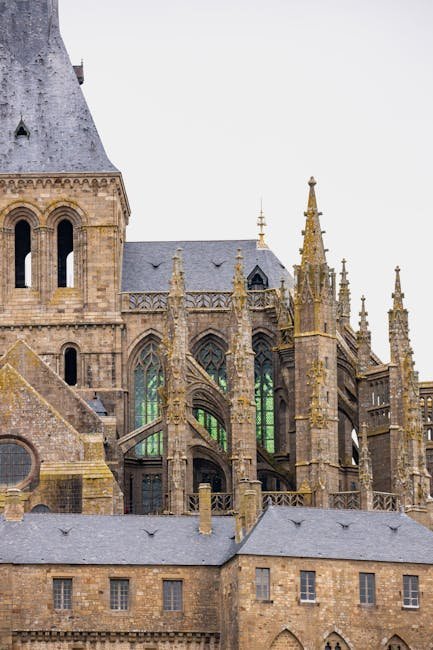
Western stone architecture, from Greek temples to Gothic cathedrals, represents an entirely different approach to building. Stone is heavy, strong in compression, and permanent. A stone building is a statement of eternal presence, designed to last for millennia.
The geology of the Mediterranean and Europe provided abundant high-quality building stone: Greek marble, Roman travertine, French limestone, and English sandstone. The development of stone-cutting technology and the arch, vault, and dome allowed ever more ambitious stone structures.
Stone construction allowed the creation of monumental interior spaces that timber could not span. The Pantheon's 43-meter concrete dome, the 38-meter span of Hagia Sophia, and the 48-meter height of Beauvais Cathedral were all made possible by masonry construction.
The Philosophy of Permanence
The choice of material reflects different attitudes toward permanence and renewal. The Western tradition, rooted in the classical idea of the building as a monument for eternity, sought permanent materials. The Roman architect Vitruvius wrote of buildings that should 'endure forever.'
The East Asian tradition, influenced by Buddhism and Shinto, had a different relationship with permanence. The Japanese tradition of rebuilding Ise Shrine every 20 years for 1,300 years suggests that the act of rebuilding, not the material fabric, constitutes continuity.
Both traditions have today converged on modern materials and methods. Reinforced concrete, steel, and glass are used globally. But the cultural preferences persist: Japanese architects continue to use timber in innovative ways, and Western architects continue to work in stone and its modern equivalents.
"Wood is alive, breathing with the seasons, aging gracefully, surrendering to time. Stone defies time, remaining unchanged while the centuries pass. Each material tells a different story of what it means to build."
Material Culture and National Identity
The choice between wood and stone as primary building materials goes beyond practical considerations to express cultural identity. In Japan, the tradition of wooden construction is connected to Shinto beliefs in the sacredness of trees and the importance of periodic renewal. The Ise Shrine, rebuilt every twenty years using traditional techniques, embodies the Japanese understanding of architecture as a living tradition maintained through practice rather than through the preservation of physical fabric.
In the West, stone construction became associated with civilization itself. The Roman architect Vitruvius described the evolution of building from primitive wooden huts to refined stone temples as a narrative of human progress. Stone represented permanence, wealth, and cultural achievement. The marble buildings of ancient Greece, the stone cathedrals of medieval Europe, and the granite government buildings of the modern era all use stone to express enduring values and institutional stability.
Modern architecture has questioned these traditional material associations. The 20th century saw the development of materials that blur the distinction between wood and stone traditions. Reinforced concrete can be molded into any form, challenging the idea that buildings must express their material honestly. Steel and glass create structures of unprecedented lightness that belong to neither tradition. Contemporary architects increasingly combine wood and stone in ways that honor both traditions while creating new hybrid forms that express the complexity of modern cultural identity.
The Great Material Divide
One of the most striking differences between Eastern and Western architecture is the choice of primary building material. East Asian architecture, particularly in China, Japan, and Korea, developed a sophisticated timber construction tradition. Western architecture, from ancient Greece onward, favored stone.
The reasons for this divergence are complex and interconnected: geology (availability of suitable stone and timber), climate (seismic activity in East Asia), technology (development of stone-cutting versus joinery), and culture (different concepts of permanence and renewal).
Neither material is inherently superior. Each has its own qualities and limitations. Understanding why different cultures chose different materials reveals deep truths about how societies relate to their environment and their past.
The Eastern Timber Tradition
East Asian timber architecture developed an extraordinary sophistication in joinery. The Japanese system of interlocking wooden brackets (tokyo) and joints, assembled without nails or metal fasteners, is a technology of remarkable precision. The wood joints tighten over time as the timber shrinks.
The great timber buildings of East Asia, from the Todai-ji Temple in Nara (the world's largest wooden building) to the Forbidden City in Beijing, demonstrate the durability of well-designed timber construction. Todai-ji has stood since 743 CE, despite earthquakes and fires.
Timber was chosen partly because of seismic activity. A wooden building flexes and absorbs earthquake forces that would collapse a stone structure. The Forbidden City has survived over 200 earthquakes in its 600-year history. The flexibility of timber is a life-safety advantage.
The Western Masonry Tradition
Western stone architecture, from Greek temples to Gothic cathedrals, represents an entirely different approach to building. Stone is heavy, strong in compression, and permanent. A stone building is a statement of eternal presence, designed to last for millennia.
The geology of the Mediterranean and Europe provided abundant high-quality building stone: Greek marble, Roman travertine, French limestone, and English sandstone. The development of stone-cutting technology and the arch, vault, and dome allowed ever more ambitious stone structures.
Stone construction allowed the creation of monumental interior spaces that timber could not span. The Pantheon's 43-meter concrete dome, the 38-meter span of Hagia Sophia, and the 48-meter height of Beauvais Cathedral were all made possible by masonry construction.
The Philosophy of Permanence
The choice of material reflects different attitudes toward permanence and renewal. The Western tradition, rooted in the classical idea of the building as a monument for eternity, sought permanent materials. The Roman architect Vitruvius wrote of buildings that should 'endure forever.'
The East Asian tradition, influenced by Buddhism and Shinto, had a different relationship with permanence. The Japanese tradition of rebuilding Ise Shrine every 20 years for 1,300 years suggests that the act of rebuilding, not the material fabric, constitutes continuity.
Both traditions have today converged on modern materials and methods. Reinforced concrete, steel, and glass are used globally. But the cultural preferences persist: Japanese architects continue to use timber in innovative ways, and Western architects continue to work in stone and its modern equivalents.
"Wood is alive, breathing with the seasons, aging gracefully, surrendering to time. Stone defies time, remaining unchanged while the centuries pass. Each material tells a different story of what it means to build."
Material Culture and National Identity
The choice between wood and stone as primary building materials goes beyond practical considerations to express cultural identity. In Japan, the tradition of wooden construction is connected to Shinto beliefs in the sacredness of trees and the importance of periodic renewal. The Ise Shrine, rebuilt every twenty years using traditional techniques, embodies the Japanese understanding of architecture as a living tradition maintained through practice rather than through the preservation of physical fabric.
In the West, stone construction became associated with civilization itself. The Roman architect Vitruvius described the evolution of building from primitive wooden huts to refined stone temples as a narrative of human progress. Stone represented permanence, wealth, and cultural achievement. The marble buildings of ancient Greece, the stone cathedrals of medieval Europe, and the granite government buildings of the modern era all use stone to express enduring values and institutional stability.
Modern architecture has questioned these traditional material associations. The 20th century saw the development of materials that blur the distinction between wood and stone traditions. Reinforced concrete can be molded into any form, challenging the idea that buildings must express their material honestly. Steel and glass create structures of unprecedented lightness that belong to neither tradition. Contemporary architects increasingly combine wood and stone in ways that honor both traditions while creating new hybrid forms that express the complexity of modern cultural identity.
Structural Innovations in Wood and Stone Construction
The structural capabilities of wood and stone gave rise to fundamentally different building typologies and spatial possibilities. Stone's compressive strength allowed Roman architects to develop the arch, vault, and dome — structural innovations that created vast interior spaces impossible in wooden construction. The Pantheon's 43-meter concrete dome remained the world's largest unsupported dome for nearly two millennia, while Gothic cathedrals pushed stone vaulting to its structural limits with ribbed vaults and flying buttresses. These stone technologies enabled the creation of monumental public spaces — basilicas, palaces, and civic buildings — that expressed communal power and religious awe through their sheer scale and permanence.
Wood construction, by contrast, excelled in seismic resistance, rapid assembly, and the creation of warm, intimate interior environments. Japanese wooden temples like the Horyu-ji, built in the seventh century, have survived earthquakes that would have destroyed stone buildings, thanks to the flexibility of wooden joints and the forgiving nature of timber frames. The complex bracketing systems of Japanese and Chinese wooden architecture (dougong in Chinese, tokyo in Japanese) distributed loads with remarkable efficiency while creating decorative patterns that became defining features of East Asian architectural identity. These systems allowed for sophisticated cantilevering and deep eaves that protected interiors from rain and sun.
Modern building technology has largely dissolved the traditional distinction between wood and stone construction. Engineered wood products like cross-laminated timber (CLT) now allow wooden buildings of unprecedented height, with projects like the Mjostarnet tower in Norway reaching eighteen stories using timber alone. Meanwhile, stone has been largely relegated to cladding and decorative roles in contemporary construction, replaced by reinforced concrete and steel for structural purposes. Yet the cultural associations of both materials persist — stone continues to convey permanence, authority, and institutional weight, while wood suggests warmth, sustainability, and connection to nature. Contemporary architects increasingly combine both materials to leverage these associations, creating buildings that are structurally modern while emotionally resonant.
The choice between wood and stone as primary building materials has shaped architectural traditions worldwide. Each carries distinct structural possibilities, aesthetic qualities, and cultural associations. The predominance of one material reveals much about local resources, climate, and values.
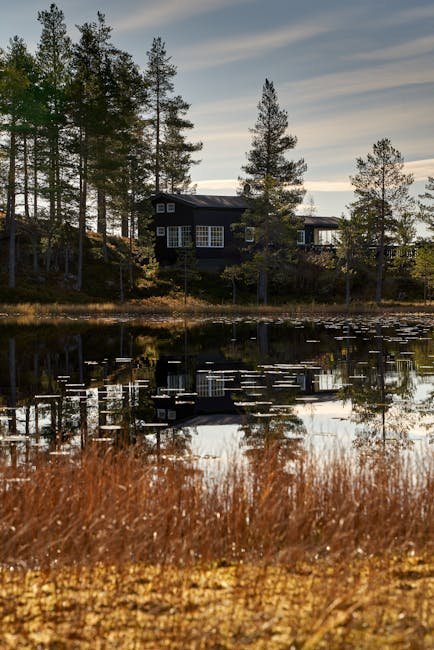
Wood architecture reached its highest expression in Scandinavia, Japan, and North America. Wood frame construction allows rapid building and warm interior spaces. Stone architecture, predominant in the Mediterranean, offers permanence and monumentality. The great stone cathedrals of Europe pushed masonry construction to its limits with soaring vaults and intricate tracery.
The cultural associations of wood and stone have shaped architectural traditions as much as their physical properties. Stone has been associated with permanence, monumentality, and civilization itself. The great stone buildings of antiquity, from the pyramids of Egypt to the temples of Greece to the cathedrals of medieval Europe, were built to last for eternity and to express the power and aspirations of the societies that built them. Stone buildings convey a sense of weight, stability, and enduring value that wood buildings, however well-constructed, cannot match. This association of stone with permanence has made it the material of choice for banks, courthouses, museums, and other institutions that wish to project an image of stability and lasting value.
Wood, by contrast, has been associated with warmth, impermanence, and connection to the natural world. Wood buildings are typically less expensive and faster to construct than stone buildings, but they require more maintenance and have shorter lifespans. The association of wood with vernacular architecture and ordinary dwellings has given it a democratic character that stone, with its connotations of wealth and power, cannot claim. In Japan, the use of wood in architecture was elevated to an art form, with joinery techniques that eliminated the need for nails and allowed buildings to be disassembled and reassembled. The Ise Grand Shrine, rebuilt every 20 years using traditional techniques, demonstrates the Japanese understanding of wood architecture as a living tradition rather than a fixed monument. The choice between wood and stone in contemporary architecture is not simply a practical decision but carries cultural, aesthetic, and symbolic weight that architects must consider in their design process.
The economic factors influencing the choice between wood and stone have been as significant as their physical properties throughout architectural history. In regions with abundant forests — Scandinavia, Russia, Japan, North America — timber was the default material for all but the most monumental structures, with stone reserved for churches, government buildings, and elite residences. In timber-scarce regions like the Mediterranean basin, stone was used even for modest vernacular buildings, and the absence of wood drove innovation in stone-cutting and vaulting techniques. The development of the timber trade, particularly export of Scandinavian softwoods from the 16th century onward, began breaking down these regional boundaries. Today, steel and concrete have largely replaced stone for structural purposes, while rising costs of old-growth timber have made traditional wooden construction more expensive. Yet engineered wood products and biophilic design principles have sparked renewed interest in wood as a structural material, while stone has found new life as premium cladding valued for its durability and aesthetic authority.
Further Reading
Learn more about Timber framing on Wikipedia and explore broader Western architecture traditions.