
Two Concepts of Order
Symmetry and asymmetry represent two fundamental approaches to architectural order. Symmetry, where one side mirrors the other, implies balance, stability, and control. Asymmetry suggests movement, dynamism, and natural growth. Both have been used to create buildings of extraordinary beauty.
Western architecture, from ancient Greece through the Renaissance to Neoclassicism, has generally valued symmetry as an expression of rational order. The symmetrical building projects authority, clarity, and human control over nature.
Japanese architecture, by contrast, has traditionally valued asymmetry as a more natural and dynamic form of order. The Japanese garden, the tea house, and the temple complex are all organized on asymmetrical principles that reflect the irregular beauty of the natural world.
Symmetry in the Western Tradition
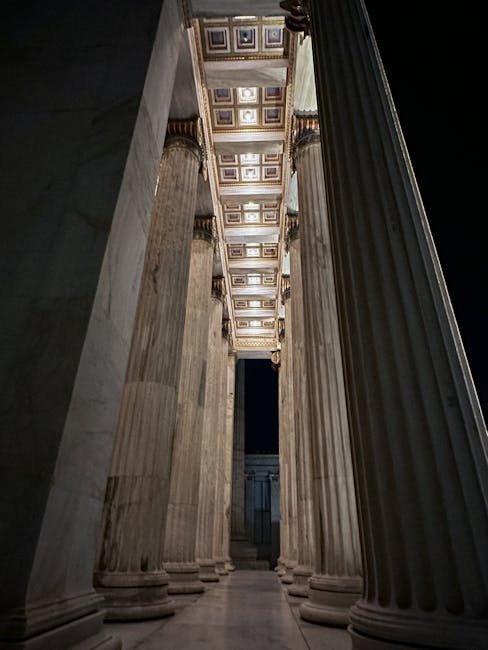
The Greek temple is the archetype of symmetrical architecture. The Parthenon is perfectly symmetrical in both plan and elevation, with a front-to-back and side-to-side balance that projects stability and perfection. This symmetry was understood as a reflection of cosmic order.
Renaissance architects revived and systematized classical symmetry. Alberti wrote that beauty is 'the harmony of all parts in relation to each other,' achieved through the proportional relationships that symmetry makes visible. Palladio's villas are masterpieces of symmetrical composition.
Symmetry in architecture is not merely visual. It organizes spatial experience. The symmetrical building has a clear center, a hierarchy of spaces, and a predictable sequence. This clarity is reassuring and legible. The visitor always knows where they are in relation to the whole.
Asymmetry in Japanese Design
Japanese architecture and garden design deliberately avoid symmetry. The Katsura Imperial Villa in Kyoto is the masterpiece of asymmetrical composition. Buildings, gardens, and paths are arranged irregularly, creating a sequence of discoveries rather than a single axial view.
The asymmetry of Japanese design is rooted in Buddhist philosophy, which sees the world as impermanent and ever-changing. Perfect symmetry implies a fixed, static condition that does not exist in nature. Asymmetry embraces the dynamic, unfolding quality of experience.
The principle of asymmetry extends to the smallest details. In ikebana (flower arranging), the three main branches are arranged in an asymmetrical triangle. In the tea ceremony, the tea bowl's imperfection is its most valued quality. Beauty is found in irregularity, not uniformity.
Asymmetry in Modern Architecture
Modern architecture largely rejected symmetry as a principle. The free plan, in which interior walls are independent of the structure, allowed asymmetrical compositions. Le Corbusier's Villa Savoye is asymmetrical in its massing while maintaining classical proportions.
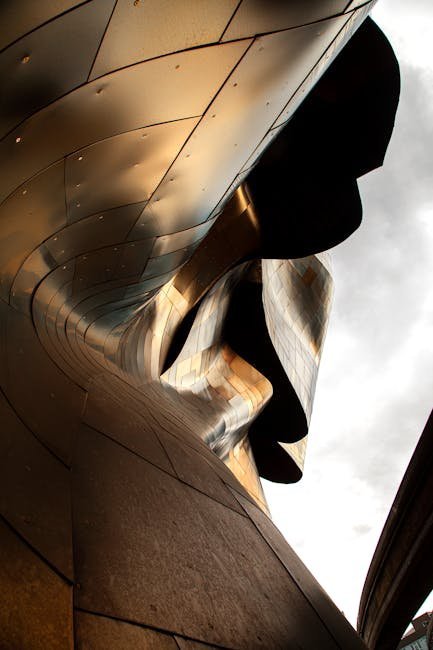
Deconstructivist architects took asymmetry to its extreme. Frank Gehry's Guggenheim Bilbao is radically asymmetrical, with no two views of the building being the same. The asymmetry is not a rejection of order but an expression of a different kind of order: dynamic rather than static.
The choice between symmetry and asymmetry is ultimately a choice between different concepts of beauty. Symmetry offers clarity, stability, and the beauty of rational order. Asymmetry offers discovery, movement, and the beauty of natural growth. Both are valid, and great architecture knows when to use each.
"Symmetry is the architecture of certainty, of established power and eternal truth. Asymmetry is the architecture of discovery, of unfolding experience and the beauty of the imperfect."
Symmetry and Asymmetry in Architectural Composition
Symmetry has been a fundamental principle of Western architecture since the Greeks established the classical orders. A symmetrical building conveys stability, order, and permanence. The human body, with its bilateral symmetry, provides a natural reference point; Vitruvius established the analogy between the symmetry of the body and the symmetry of well-designed buildings. This anthropomorphic basis gave symmetry a moral dimension: a symmetrical building was seen as harmonious and truthful.
Asymmetry in Japanese architecture derives from different cultural values. The Japanese aesthetic of wabi-sabi finds beauty in imperfection, impermanence, and incompleteness. A perfectly symmetrical building would be considered finished and therefore dead; asymmetry suggests growth and life. The Katsura Imperial Villa in Kyoto is deliberately asymmetrical, with its buildings arranged in a seemingly irregular pattern that reveals deeper spatial relationships upon careful examination.
Modern architecture oscillated between these two principles. The Beaux-Arts tradition demanded strict symmetry. The modernist movement, particularly through Le Corbusier and Frank Lloyd Wright, explored asymmetrical compositions while maintaining visual balance. A building like Fallingwater is profoundly asymmetrical yet perfectly balanced, its cantilevered terraces creating a dynamic equilibrium that reflects the organic growth of its natural setting. Modernist asymmetry was not a rejection of order but an expansion of what order could mean.
Two Concepts of Order
Symmetry and asymmetry represent two fundamental approaches to architectural order. Symmetry, where one side mirrors the other, implies balance, stability, and control. Asymmetry suggests movement, dynamism, and natural growth. Both have been used to create buildings of extraordinary beauty.
Western architecture, from ancient Greece through the Renaissance to Neoclassicism, has generally valued symmetry as an expression of rational order. The symmetrical building projects authority, clarity, and human control over nature.
Japanese architecture, by contrast, has traditionally valued asymmetry as a more natural and dynamic form of order. The Japanese garden, the tea house, and the temple complex are all organized on asymmetrical principles that reflect the irregular beauty of the natural world.
Symmetry in the Western Tradition
The Greek temple is the archetype of symmetrical architecture. The Parthenon is perfectly symmetrical in both plan and elevation, with a front-to-back and side-to-side balance that projects stability and perfection. This symmetry was understood as a reflection of cosmic order.
Renaissance architects revived and systematized classical symmetry. Alberti wrote that beauty is 'the harmony of all parts in relation to each other,' achieved through the proportional relationships that symmetry makes visible. Palladio's villas are masterpieces of symmetrical composition.
Symmetry in architecture is not merely visual. It organizes spatial experience. The symmetrical building has a clear center, a hierarchy of spaces, and a predictable sequence. This clarity is reassuring and legible. The visitor always knows where they are in relation to the whole.
Asymmetry in Japanese Design
Japanese architecture and garden design deliberately avoid symmetry. The Katsura Imperial Villa in Kyoto is the masterpiece of asymmetrical composition. Buildings, gardens, and paths are arranged irregularly, creating a sequence of discoveries rather than a single axial view.
The asymmetry of Japanese design is rooted in Buddhist philosophy, which sees the world as impermanent and ever-changing. Perfect symmetry implies a fixed, static condition that does not exist in nature. Asymmetry embraces the dynamic, unfolding quality of experience.
The principle of asymmetry extends to the smallest details. In ikebana (flower arranging), the three main branches are arranged in an asymmetrical triangle. In the tea ceremony, the tea bowl's imperfection is its most valued quality. Beauty is found in irregularity, not uniformity.
Asymmetry in Modern Architecture
Modern architecture largely rejected symmetry as a principle. The free plan, in which interior walls are independent of the structure, allowed asymmetrical compositions. Le Corbusier's Villa Savoye is asymmetrical in its massing while maintaining classical proportions.
Deconstructivist architects took asymmetry to its extreme. Frank Gehry's Guggenheim Bilbao is radically asymmetrical, with no two views of the building being the same. The asymmetry is not a rejection of order but an expression of a different kind of order: dynamic rather than static.
The choice between symmetry and asymmetry is ultimately a choice between different concepts of beauty. Symmetry offers clarity, stability, and the beauty of rational order. Asymmetry offers discovery, movement, and the beauty of natural growth. Both are valid, and great architecture knows when to use each.
"Symmetry is the architecture of certainty, of established power and eternal truth. Asymmetry is the architecture of discovery, of unfolding experience and the beauty of the imperfect."
Symmetry and Asymmetry in Architectural Composition
Symmetry has been a fundamental principle of Western architecture since the Greeks established the classical orders. A symmetrical building conveys stability, order, and permanence. The human body, with its bilateral symmetry, provides a natural reference point; Vitruvius established the analogy between the symmetry of the body and the symmetry of well-designed buildings. This anthropomorphic basis gave symmetry a moral dimension: a symmetrical building was seen as harmonious and truthful.
Asymmetry in Japanese architecture derives from different cultural values. The Japanese aesthetic of wabi-sabi finds beauty in imperfection, impermanence, and incompleteness. A perfectly symmetrical building would be considered finished and therefore dead; asymmetry suggests growth and life. The Katsura Imperial Villa in Kyoto is deliberately asymmetrical, with its buildings arranged in a seemingly irregular pattern that reveals deeper spatial relationships upon careful examination.
Modern architecture oscillated between these two principles. The Beaux-Arts tradition demanded strict symmetry. The modernist movement, particularly through Le Corbusier and Frank Lloyd Wright, explored asymmetrical compositions while maintaining visual balance. A building like Fallingwater is profoundly asymmetrical yet perfectly balanced, its cantilevered terraces creating a dynamic equilibrium that reflects the organic growth of its natural setting. Modernist asymmetry was not a rejection of order but an expansion of what order could mean.
Philosophical Foundations of Symmetry and Asymmetry
The preference for symmetry or asymmetry in architecture is deeply rooted in philosophical and religious worldviews. Western classical architecture, from Greek temples to Renaissance palaces, derived its commitment to symmetry from Platonic ideals of perfection and the belief that beauty arose from mathematical proportion. The human body, conceived as symmetrical in classical thought, was adopted as the model for architectural proportion, leading to the development of the orders, the golden ratio, and the insistence on bilateral symmetry in building design. This philosophical framework treated symmetry as evidence of divine order and human reason working in harmony.
Japanese architecture's embrace of asymmetry emerged from an entirely different philosophical foundation rooted in Zen Buddhism and Shinto animism. The Japanese concept of wabi-sabi finds beauty in imperfection, impermanence, and incompleteness — values that directly contradict Western classical ideals. The Katsura Imperial Villa in Kyoto exemplifies this aesthetic, with its irregularly placed windows, asymmetrical garden paths, and deliberately unbalanced compositions that create a sense of natural, unhurried movement through space. The asymmetry is not random but carefully calculated to create a specific emotional response, guiding the visitor's experience in ways that symmetrical Western buildings rarely attempt.
Contemporary architecture increasingly draws from both traditions, creating hybrids that defy easy categorization. Architects like Tadao Ando combine the rigorous geometry of Western modernism with the spatial sensitivity of Japanese tradition, creating buildings that are both precisely ordered and subtly asymmetrical. Frank Gehry's deconstructivist forms challenge Western symmetry while drawing on a vocabulary of fragmentation that has parallels in Japanese aesthetics. This cross-cultural fertilization suggests that symmetry and asymmetry are not opposing philosophical positions but complementary tools in the architect's palette, each offering different ways of organizing space and shaping human experience.
The tension between symmetry and asymmetry is fundamental to architectural design. Symmetry, with its connotations of order and stability, has dominated Western architecture since antiquity. Asymmetry, associated with dynamism and organic growth, has played an equally important role in many traditions.
Classical architecture elevated symmetry to a sacred principle. The symmetrical facades of Renaissance palaces and Neoclassical buildings express an ideal of rational order. Asymmetry creates a different beauty based on dynamic balance. Japanese architecture developed sophisticated asymmetrical compositions based on visual balance rather than mirror symmetry.
The debate between symmetry and asymmetry in architecture is not merely aesthetic but reflects deeper philosophical differences about order, nature, and the role of human intervention in the landscape. Symmetry is associated with human reason and the imposition of order on nature. The classical orders provided a system of proportion and composition that could be applied to any building, ensuring that it would possess the qualities of harmony, balance, and clarity that were considered essential to good architecture. The Beaux-Arts tradition, which dominated architectural education in the 19th and early 20th centuries, taught students to design buildings around a central axis with symmetrical wings, creating compositions that were legible, dignified, and appropriate for public institutions.
Asymmetry in architecture is not simply the absence of symmetry but a different principle of organization. The picturesque movement of the 18th century, which influenced landscape design and architecture, celebrated irregularity, variety, and the integration of buildings with their natural settings. Picturesque compositions were designed to be explored over time, with new views and experiences revealed as the visitor moved through the landscape. This approach influenced the development of the English landscape garden, which rejected the formal geometry of French gardens in favor of naturalistic plantings, winding paths, and carefully composed views. In architecture, the picturesque led to asymmetrical plans, varied rooflines, and the integration of buildings with their sites through porches, terraces, and conservatories. The asymmetry of picturesque architecture was not random but carefully composed, with each element placed in relation to the others to create a balanced composition that was dynamic rather than static.
The application of symmetry and asymmetry in garden design offers a clear contrast between Eastern and Western aesthetic traditions. The formal gardens of Versailles, designed by Andre Le Notre in the 17th century, represent symmetry at its most extreme — perfectly geometric parterres, precisely aligned avenues, and rectangular reflecting pools arranged along a central axis extending to the horizon, asserting human order over nature. The Katsura Imperial Villa's garden in Kyoto, designed in the same century, deliberately avoids axial symmetry in favor of an asymmetrical composition organized around a wandering pond circuit that reveals new views with each turn. The stepping stones, irregularly placed, force visitors to slow down and engage with the path surface, heightening awareness of the garden's details. These two gardens, created within decades of each other, embody fundamentally different philosophies of how architecture and landscape relate to human experience.
Further Reading
Learn more about Symmetry in architecture on Wikipedia and explore broader Western architecture traditions.